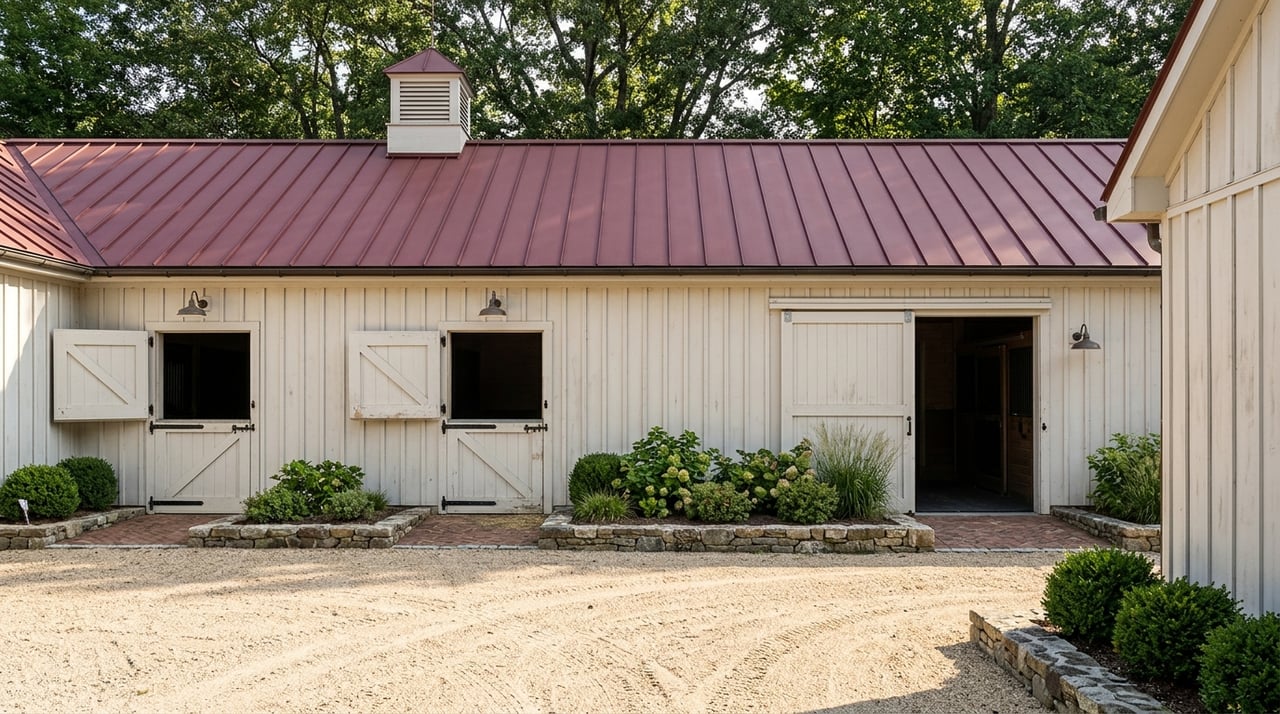
If you are drawn to the Virginia countryside, Upperville stands out for a reason. This is not just a place where horses are part of the scenery. In Upperville, equestrian life shapes the calendar, the landscape, and the way many people experience the community. If you are considering a move, a second home, or a horse property in Hunt Country, understanding these traditions can help you picture daily life here. Let’s dive in.
Upperville’s Hunt Country identity
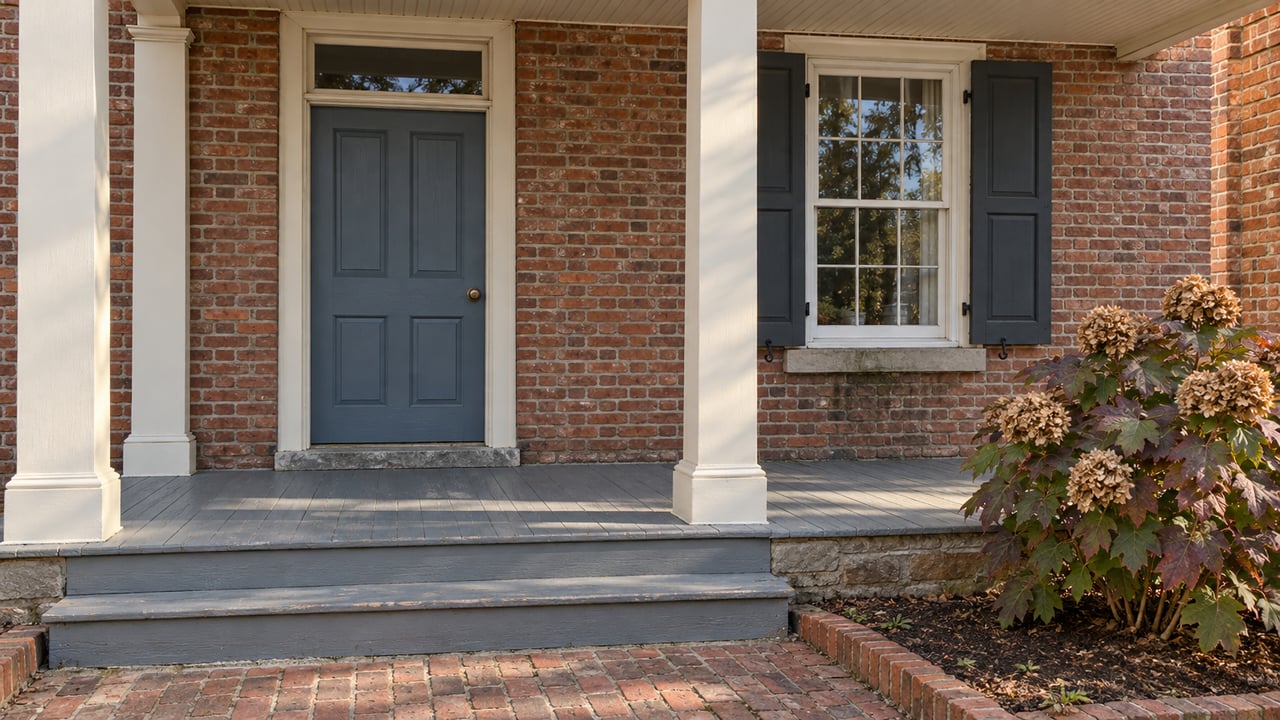
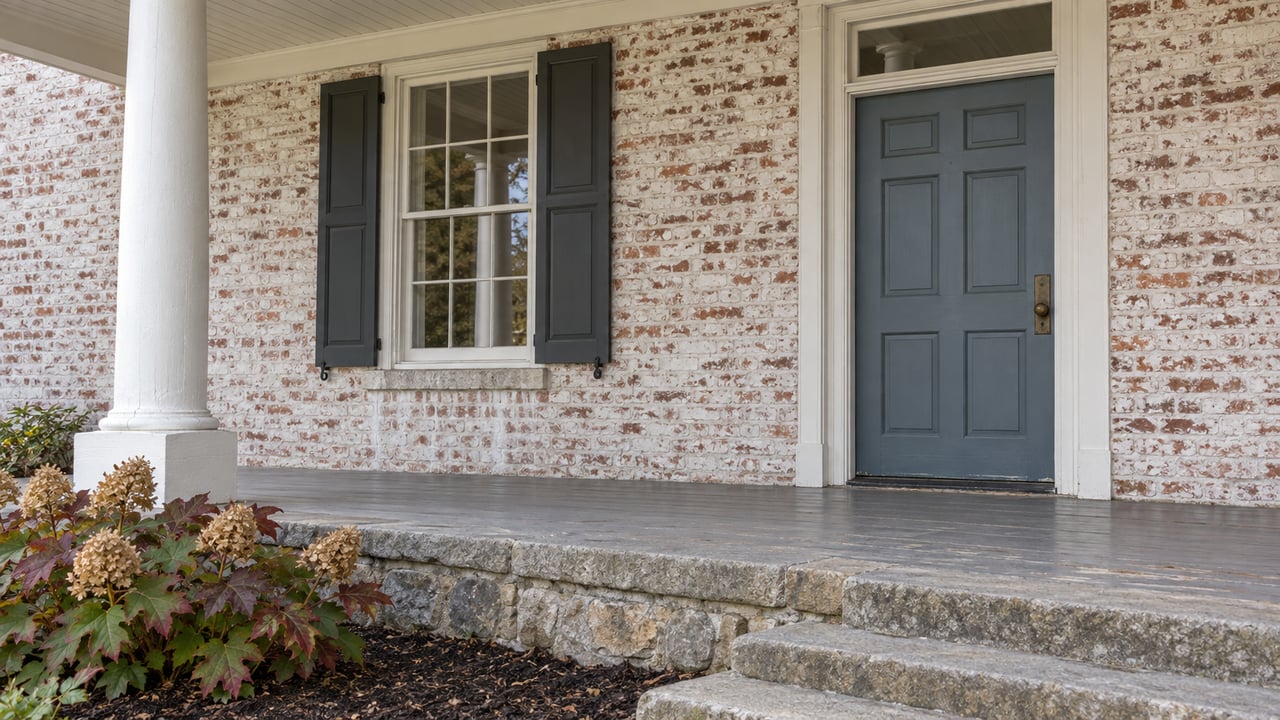
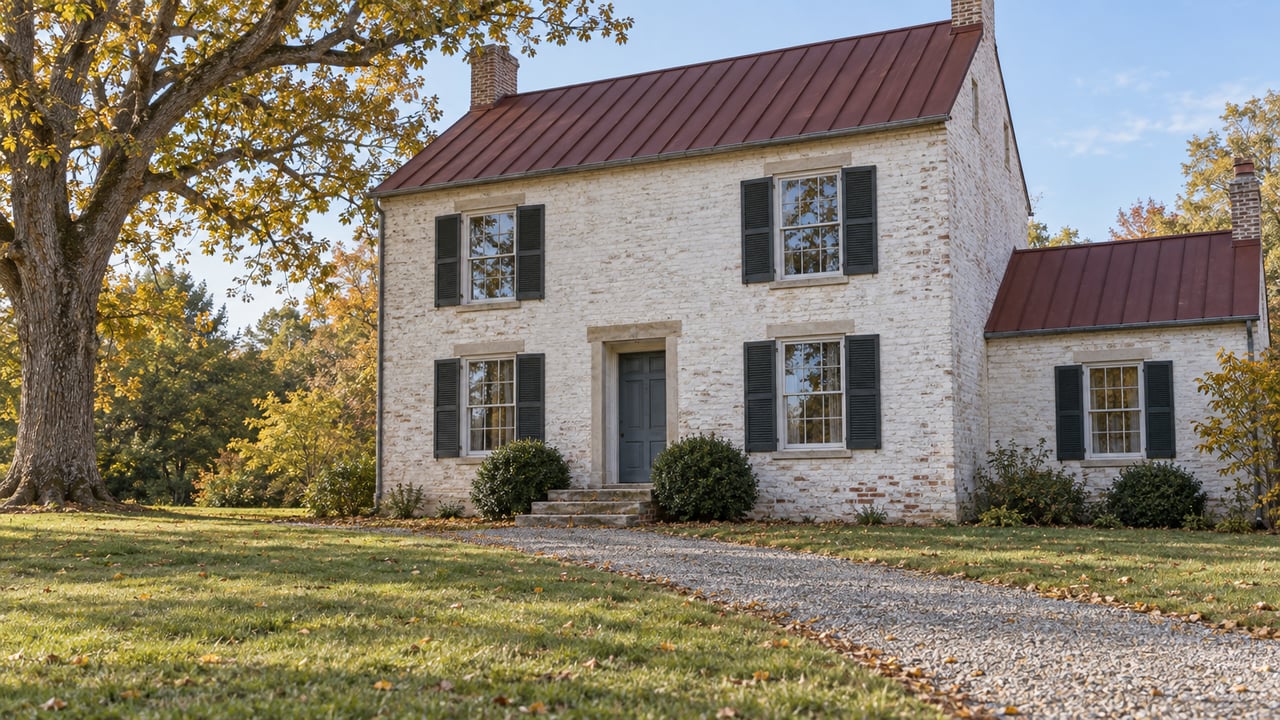
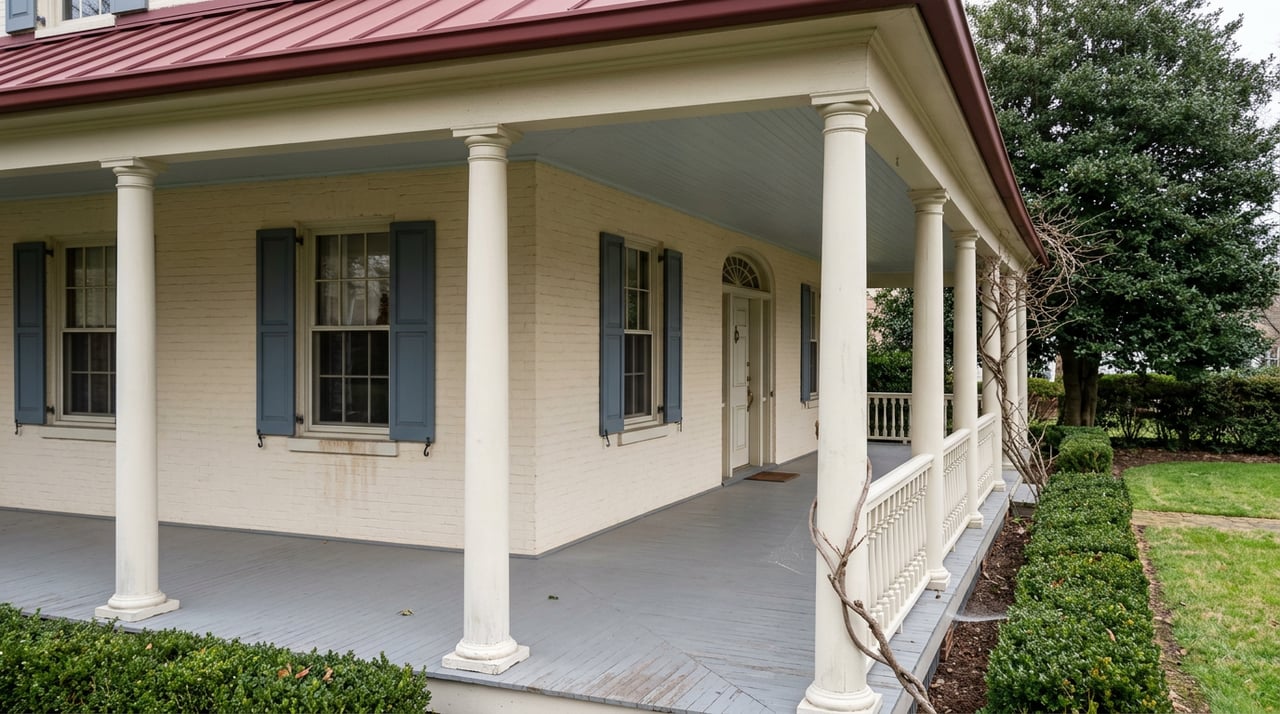
Upperville is a historic village in Fauquier County with roots that go back to Carrstown, founded in 1797. Fauquier County notes that the village was renamed Upperville by the Virginia General Assembly in 1818 and 1819. It is often described as a town that is a mile long and an inch wide, which reflects its linear layout along Columbia Street.
That setting is part of what gives Upperville its distinct feel. The village has long been seen as a focal point for Virginia’s Hunt Country, with open land, farms, and equestrian uses woven into its identity. For you as a buyer or seller, that means the lifestyle here is shaped as much by land stewardship and tradition as it is by architecture or acreage.
Why horses matter in Upperville
In some places, horse properties feel specialized or separate from everyday life. In Upperville, they are part of the broader landscape and local rhythm. Fauquier County’s agricultural profile helps explain why, with 1,040 farms, 188,562 acres in farms, 55,637 acres of pastureland, and 3,758 horses and ponies recorded in the 2022 USDA county profile.
Those numbers give useful context if you are exploring the market. They suggest that barns, fenced fields, hay storage, and riding areas are not unusual features here. Instead, they are part of a working countryside where equestrian use and agriculture remain visible and active.
The Upperville Colt & Horse Show tradition
One of the clearest expressions of Upperville’s identity is the Upperville Colt & Horse Show. Established in 1853 by Colonel Richard Henry Dulany, the event began with a practical goal: encouraging better treatment of young horses and improving local breeding stock. Today, it continues as a premier hunter-jumper event held during the first full week of June.
The show’s scale says a lot about its place in the community. According to the event’s official history, it now draws nearly 2,000 horse-and-rider combinations and tens of thousands of spectators each year. For many people, it is not just a competition week. It is also a social and seasonal tradition marked by tailgate picnics, sponsor gatherings, and a strong sense of local continuity.
More than a horse show
If you spend time in Upperville during show week, you quickly see that the event is about more than ribbons and rings. It brings together residents, riders, visitors, and supporters in a way that feels woven into the community’s identity. That blend of sport and social tradition is one reason Upperville continues to attract lifestyle-driven buyers who want more than just land.
For property owners, this tradition also influences how the area is experienced and marketed. Homes, farms, and estates here are often valued not only for their features, but for their connection to a place where equestrian heritage is still active and visible.
Foxhunting and point-to-point traditions
Upperville’s equestrian culture also extends beyond the show grounds. Virginia’s Department of Wildlife Resources notes that mounted fox hunts in Virginia date back more than 100 years, including the Piedmont Fox Hounds in Upperville in 1840. The same report describes hunt clubs as part of rural social life, with dinners, picnics, dances, fundraisers, and youth-oriented traditions.
That context matters because it shows how equestrian life here is tied to community gatherings as much as sport. In Upperville, these traditions help shape the social calendar and reinforce long-standing connections to the land. If you are moving from outside the area, this can be one of the most distinctive parts of settling into Hunt Country.
Salem Racecourse and seasonal events
The Piedmont Fox Hounds Conservation Fund has also linked sporting tradition with land stewardship in Upperville. Its Point-to-Point weekend at the historic Salem Racecourse has featured timber and flat races on Saturday and hunter pairs on Sunday. Events like these reflect a local rhythm where equestrian sport, open space, and seasonal gatherings all support one another.
Another established tradition is the Hunt Country Stable Tour organized by Trinity Episcopal Church. The self-guided tour of horse farms and facilities in the Upperville, Middleburg, and The Plains countryside has become a Memorial Day weekend tradition and generates significant support for outreach each year. For you as a prospective buyer, that offers a glimpse of how horse properties here are not only private spaces, but also part of a broader civic and cultural landscape.
Everyday life on a horse property
Upperville’s traditions are meaningful, but daily life on a horse property is also practical. Fauquier County’s farm and service directories show the kind of local support network that helps owners manage equestrian properties. Listings include horse boarding, lessons, training, hunter shows, and an outdoor riding arena, along with horse-quality hay and services such as fencing, barn and estate care, excavation, bush-hogging, land upkeep, and livestock water-system installation.
That matters if you are evaluating whether the lifestyle fits your needs. In real terms, horse-property ownership often involves turnout routines, pasture care, hay supply, fencing repairs, barn upkeep, and planning for seasonal use. Upperville’s local service ecosystem suggests that these needs are understood here and supported by established providers across the county.
Property features worth considering
If you are searching in or around Upperville, it helps to focus on practical details as well as beauty and setting. Depending on your goals, important features may include:
- Pasture access and usable field layout
- Fencing condition and configuration
- Barn size and stall capacity
- Hay storage and feed space
- Trailer access and parking
- Riding arena or schooling space
- Room for equipment and maintenance needs
- Proximity to horse-service providers
For some buyers, a village home with nearby acreage may offer the right balance. For others, a full horse farm, training barn, estate property, or conservation-oriented parcel may be a better fit.
Land stewardship shapes the market
One reason Upperville still feels so rooted in open space is Fauquier County’s broader emphasis on preservation. The county says its Purchase of Development Rights program is designed to keep farmland in agricultural production, and roughly 13,469 acres had been approved as of 2025. The county also accepts donated conservation easements intended to preserve scenic, historic, and agricultural value while keeping land in productive use.
For you, this can affect how a property is used, valued, and understood over time. In Upperville, land is often viewed not only as a private asset, but also as part of a larger landscape with long-term significance. That is one reason buyers and sellers benefit from working with a broker who understands both the lifestyle and the practical details behind acreage, equestrian use, and conservation-related considerations.
What Upperville offers buyers and sellers
If you are buying in Upperville, you are often choosing more than a house. You may be choosing a setting where horse shows, foxhunting traditions, stable tours, and open land are part of the local experience year after year. That can be especially appealing if you want a property that supports recreation, privacy, land stewardship, or a legacy purchase.
If you are selling, those same qualities deserve thoughtful presentation. A home or estate in Upperville may need to be framed around lifestyle, land use, equestrian features, and the area’s community traditions, not just square footage or finishes. That kind of marketing works best when it is grounded in local knowledge and an understanding of what makes Hunt Country different.
A community shaped by tradition
Upperville stands apart because its equestrian culture is not a marketing theme added after the fact. It is part of the village’s history, seasonal rhythm, and everyday life. From the Upperville Colt & Horse Show to point-to-point weekends, stable tours, and the practical realities of maintaining horse property, the traditions here continue to shape how the community lives and grows.
If Upperville is on your radar, it helps to approach the market with a clear picture of both the romance and the reality. The appeal is real, but so is the value of informed guidance when you are buying or selling in a place where land, legacy, and lifestyle are closely connected.
If you are considering a move, preparing to sell, or exploring equestrian and estate opportunities in Hunt Country, Beckwith Bolle can help you navigate Upperville with local insight and discreet, personalized guidance.
FAQs
What makes Upperville different from other Virginia countryside communities?
- Upperville is a historic Fauquier County village known as a focal point for Virginia’s Hunt Country, with long-standing ties to horse culture, open land, and equestrian traditions.
What is the Upperville Colt & Horse Show in Upperville, Virginia?
- It is a horse show established in 1853 that now operates as a week-long premier hunter-jumper event during the first full week of June and draws nearly 2,000 horse-and-rider combinations plus tens of thousands of spectators each year.
What equestrian traditions are part of life in Upperville?
- Upperville is associated with traditions such as the Upperville Colt & Horse Show, Piedmont Fox Hounds, point-to-point racing at Salem Racecourse, and the Hunt Country Stable Tour.
What should you look for in an Upperville horse property?
- Key features to review include pasture access, fencing, barn capacity, hay storage, trailer access, riding space, and the availability of local horse-property service providers.
How does land preservation affect property in Upperville?
- Fauquier County supports farmland preservation through programs such as Purchase of Development Rights and donated conservation easements, which can influence how land is used and preserved over time.