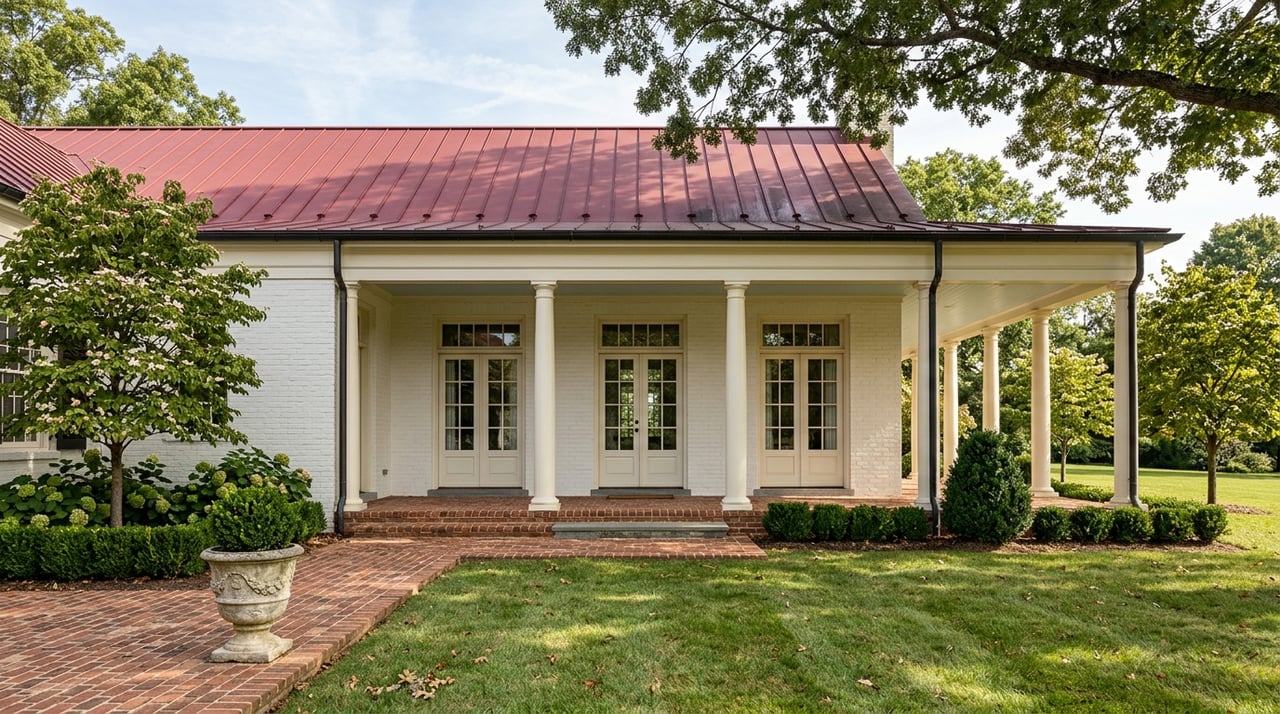
If you own a historic home or estate in Upperville, you already know you are not selling a typical property. You are often balancing architecture, land, privacy, documentation, and buyer expectations all at once. The good news is that with the right preparation and a clear strategy, you can position your property in a way that protects its story and supports a strong sale. Let’s dive in.
Why Upperville Properties Sell Differently
Upperville has a distinct identity that shapes how buyers see value. The Virginia Department of Historic Resources describes Upperville as a historic linear village established in 1797 along the Alexandria-Winchester Turnpike, set within Virginia hunt country and surrounded by estates and farmland. The area’s historic district reflects architecture, open landscape, and a long history tied to equine culture and regional events, which makes the setting part of the property’s appeal.
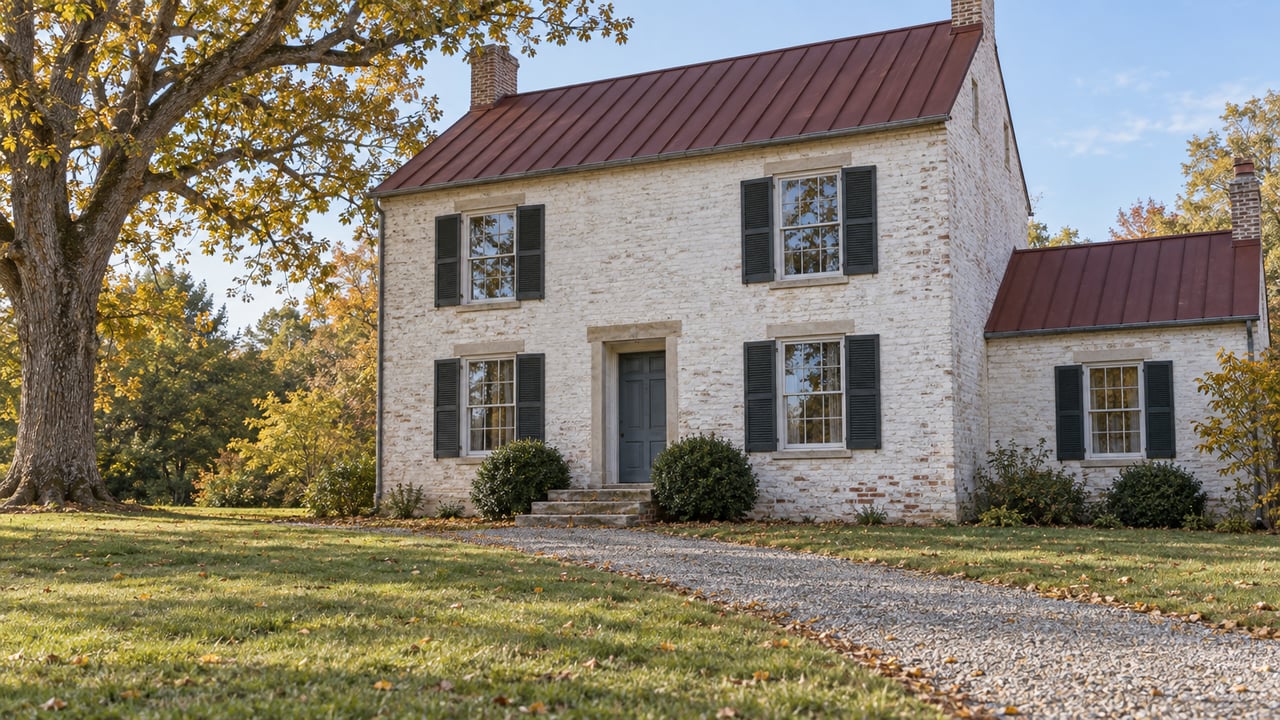
That matters when you sell. In Upperville, buyers are often evaluating more than square footage or finishes. They may be weighing the home’s historic character, approach, views, outbuildings, land use, and how the property fits into the surrounding countryside.
Broad market data can only go so far here. Zillow’s Upperville market page reported an average home value of $1,141,330 as of January 31, 2026, while also noting that location-specific data are limited and may reflect the surrounding area. Redfin’s Loudoun County market data is referenced in the research as showing a county median sale price of $773,000 in February 2026 with homes averaging 34 days on market, which reinforces an important point: Upperville pricing should be built around the property itself and the best available comparable sales, not broad county averages alone.
Start With Title And Restrictions
Before you think about photos, staging, or launch timing, start with the documents. For historic and estate properties, one of the first questions buyers ask is simple: what exactly affects this property?
A key point from the Virginia Department of Historic Resources historic registers guidance is that listing in the Virginia Landmarks Register or the National Register is honorary by itself. It recognizes significance, but it does not automatically prevent renovation or demolition, require public access, or restrict transfer of ownership.
That changes if the property is subject to a preservation or conservation easement. According to the DHR easements program, easements are permanent legal agreements that can limit future development, prohibit certain activities, and require prior approval for some changes. Because easements are recorded in land records, a title search and land-record review are the practical first steps.
If your property is within a county historic district, there may be another layer of review. Loudoun County’s historic districts page states that in county historic districts, most exterior changes must be reviewed and approved before work begins. That is why sellers benefit from confirming early whether the home is simply recognized for its historic significance, formally protected by easement, subject to local review, or some combination of the three.
Organize A Pre-Listing File Early
Historic and estate sales often move more smoothly when you prepare for buyer diligence before the property goes live. Virginia’s Residential Property Disclosure Statement framework places a strong emphasis on buyer due diligence and notes that sellers do not make representations about many issues that can matter greatly with acreage or historic property, including lot lines, adjacent parcels, local historic-district ordinances, wastewater systems, flood hazard areas, and conservation easements.
That does not mean you should provide less information. In practice, it means you should organize the records buyers are likely to request so questions can be answered quickly and clearly.
A strong pre-listing file often includes:
- Current title report
- Survey and plats
- Conservation or preservation easement documents
- Historic designation paperwork
- Permit history for additions, renovations, or restorations
- Well and septic records
- Access information
- Major system records and maintenance history
This kind of preparation helps reduce friction during the contract period. It also signals that the property has been carefully stewarded, which can be especially meaningful in a market like Upperville.
Clarify What Historic Status Really Means
Many sellers worry that a historic designation will scare buyers or create confusion. Usually, the issue is not the designation itself. The issue is whether the seller can explain it clearly.
For example, a buyer may ask whether National Register status means the home must be opened to the public. The answer, based on DHR’s register guidance, is no. A buyer may also ask whether register status alone limits the right to sell or renovate. Again, no, not by itself.
The more important question is whether there are recorded restrictions, local review requirements, or prior approvals tied to the property. When those details are identified upfront, they become part of a well-managed listing narrative rather than a surprise late in the transaction.
Prepare The Property For Lifestyle Marketing
Upperville estate buyers are rarely buying rooms alone. They are often buying the full experience of the property, including the drive in, the relationship between the house and the land, the outdoor spaces, and the overall sense of setting.
That makes presentation especially important. The National Association of Realtors 2025 Profile of Home Staging found that 83% of buyers’ agents said staging makes it easier for buyers to visualize a property as a future home. The same report notes that sellers’ agents commonly recommend decluttering, deep cleaning, and improving curb appeal.
For an Upperville estate or historic home, that often means a restrained approach. You want buyers to see the architecture and land clearly, not get distracted by too much furniture, too many personal items, or deferred exterior maintenance.
Focus on elements that support the property story, such as:
- Clean approach roads and drive entries
- Tidy gardens, paddocks, fences, and outbuildings
- Clear sightlines to views and landscape features
- Rooms staged to highlight scale and natural light
- Photography and video that connect the house to the land
This matters online as much as in person. NAR’s staging report also shows how important photos and video are in the buyer journey, which is especially relevant when decision-makers may be viewing the property from different locations or reviewing it together with family.
Expect More Than One Decision-Maker
Estate sales often involve a broader audience than a standard home sale. According to the same NAR staging report, buyers frequently consult family members during the buying process and often bring family members to property viewings, even when those individuals will not live in the home.
That means your marketing should answer practical and emotional questions at the same time. A buyer may love the architecture, while another decision-maker focuses on functionality, maintenance, land use, or privacy. A strong listing presentation helps all of them understand what the property offers.
Choose Public Or Private Marketing Carefully
Not every Upperville seller wants the same level of exposure. For some estate owners, privacy is a real priority. The National Association of Realtors Multiple Listing Options for Sellers policy, adopted in March 2025 and effective September 30, 2025, gives sellers privacy-oriented paths such as office exclusive and delayed marketing, alongside broader MLS exposure.
That flexibility can be helpful if you want time to prepare the property, reduce the number of showings, or limit public visibility. At the same time, NAR makes clear that choosing privacy is a tradeoff, because you may be waiving or delaying some benefits of broad market exposure.
For a one-of-a-kind Upperville property, that decision should be strategic. A controlled launch may fit a sensitive situation, but a broader public launch may be the better path when the goal is to reach the widest pool of qualified buyers for a distinctive estate, farm, or historic residence.
Build A Listing Narrative Around Stewardship
In Upperville, marketing should do more than describe features. It should connect the home, land, and history in a way that helps buyers understand why the property is special and how it functions today.
A strong narrative often covers:
- The property’s historic context
- What protections or easements apply, if any
- Improvements or restorations completed over time
- How the land is configured and used
- Features that support modern living
This approach is especially effective in a market shaped by place identity. Upperville’s appeal is not only architectural. It is also rooted in open land, privacy, and the larger historic setting described by the Virginia Department of Historic Resources.
Common Mistakes To Avoid
Sellers of historic and estate properties can lose momentum when they treat the sale like a standard listing. A few avoidable mistakes come up often.
First, do not assume buyers will understand historic status on their own. Explain clearly whether the property is merely listed on a register, subject to local review, or bound by easement restrictions.
Second, do not wait until due diligence to gather records. Missing surveys, easement deeds, permit history, or system documentation can slow down a transaction and create unnecessary uncertainty.
Third, do not underinvest in presentation. In a visually driven market, high-quality photography, video, and thoughtful staging help buyers appreciate both the home and the land.
A Smarter Way To Sell In Upperville
Selling a historic home or estate in Upperville takes more than putting a price on the property and waiting for the right buyer. It requires a careful read of title and restrictions, a well-prepared diligence file, thoughtful presentation, and a marketing plan that fits your goals for privacy, reach, and timing.
When that strategy is done well, your property is not reduced to a set of numbers. It is presented as a distinctive offering with a clear story, documented details, and a stronger path from listing to closing. If you are considering a sale and want a tailored, discreet strategy, Beckwith Bolle can help you evaluate the property, organize the right information, and prepare a marketing approach that fits the Upperville market.
FAQs
What does National Register status mean for an Upperville home sale?
- Listing in the National Register or Virginia Landmarks Register is honorary by itself and does not automatically prevent sale, renovation, demolition, or require public access, according to the Virginia Department of Historic Resources.
What should Upperville sellers check first on a historic or estate property?
- Start with title, land records, and any recorded easement or historic-district documents so you know what restrictions, approvals, or notice requirements may apply.
What can a preservation or conservation easement affect in Upperville?
- A preservation or conservation easement can impose ongoing restrictions on development or changes and may require approval for certain work, depending on the recorded deed terms.
Do Loudoun County historic districts affect exterior changes to a property?
- Yes. Loudoun County states that in county historic districts, most exterior changes must be reviewed and approved before work begins.
What documents help an Upperville estate sale move faster?
- A current title report, surveys or plats, easement documents, permit history, historic designation records, and well, septic, access, and system information can help buyers complete due diligence more efficiently.
Should an Upperville estate be marketed publicly or privately first?
- It depends on your goals. NAR policy allows privacy-oriented options like office exclusive or delayed marketing, but those choices may reduce or delay the benefits of broad MLS exposure.