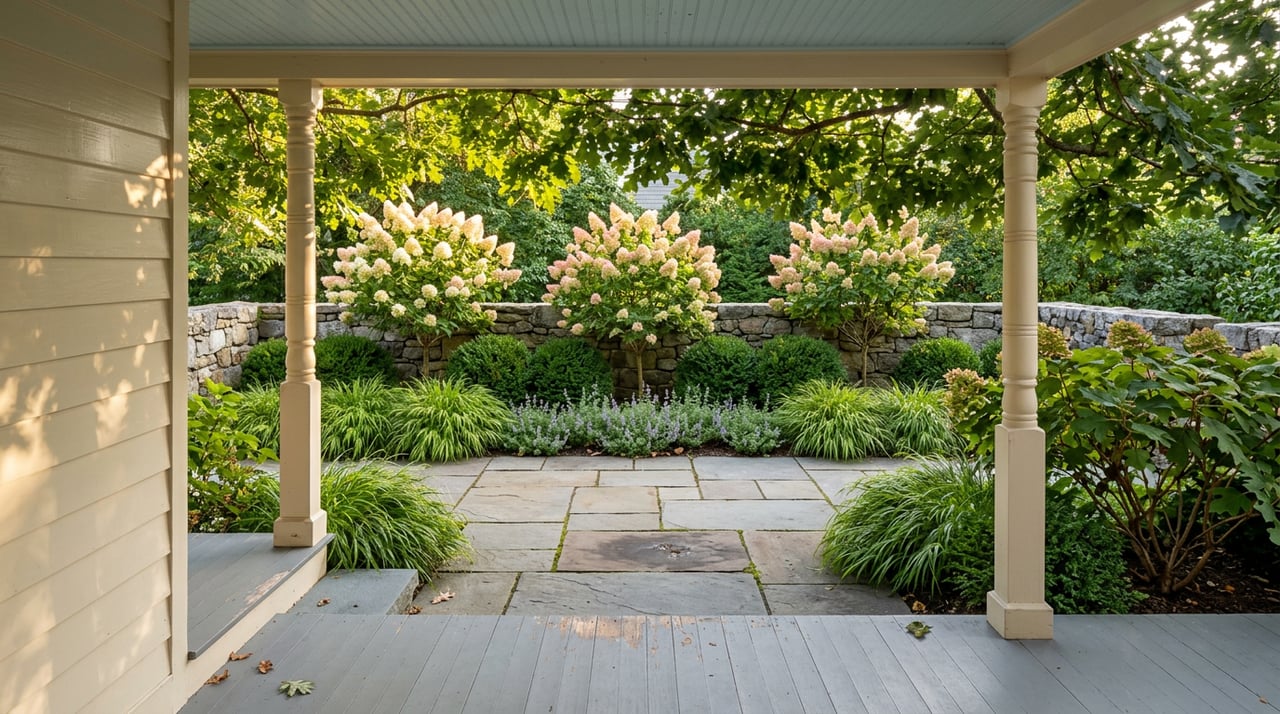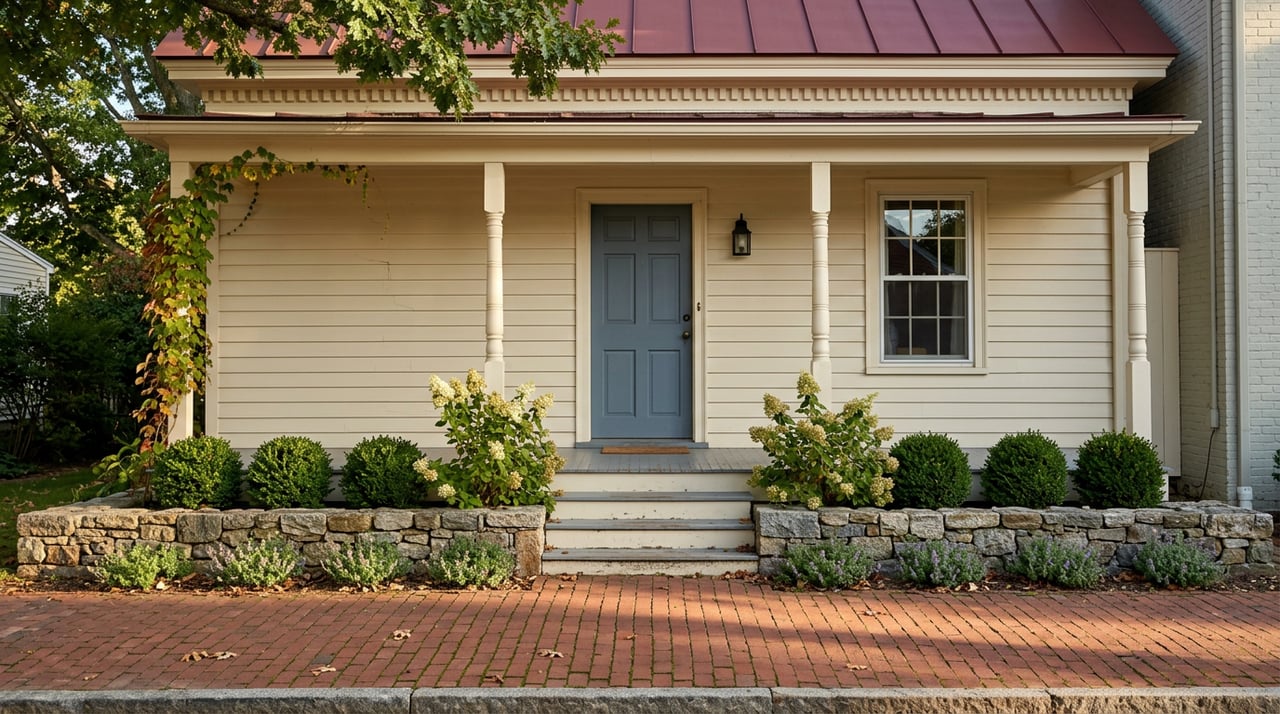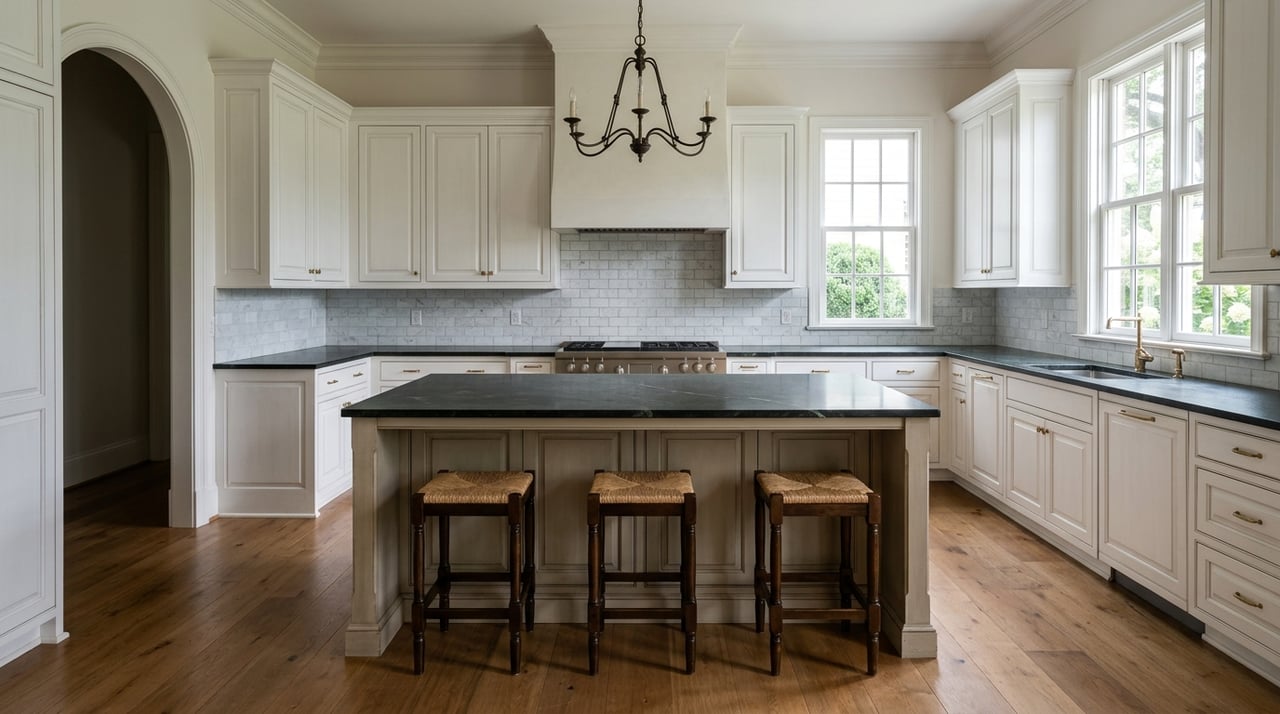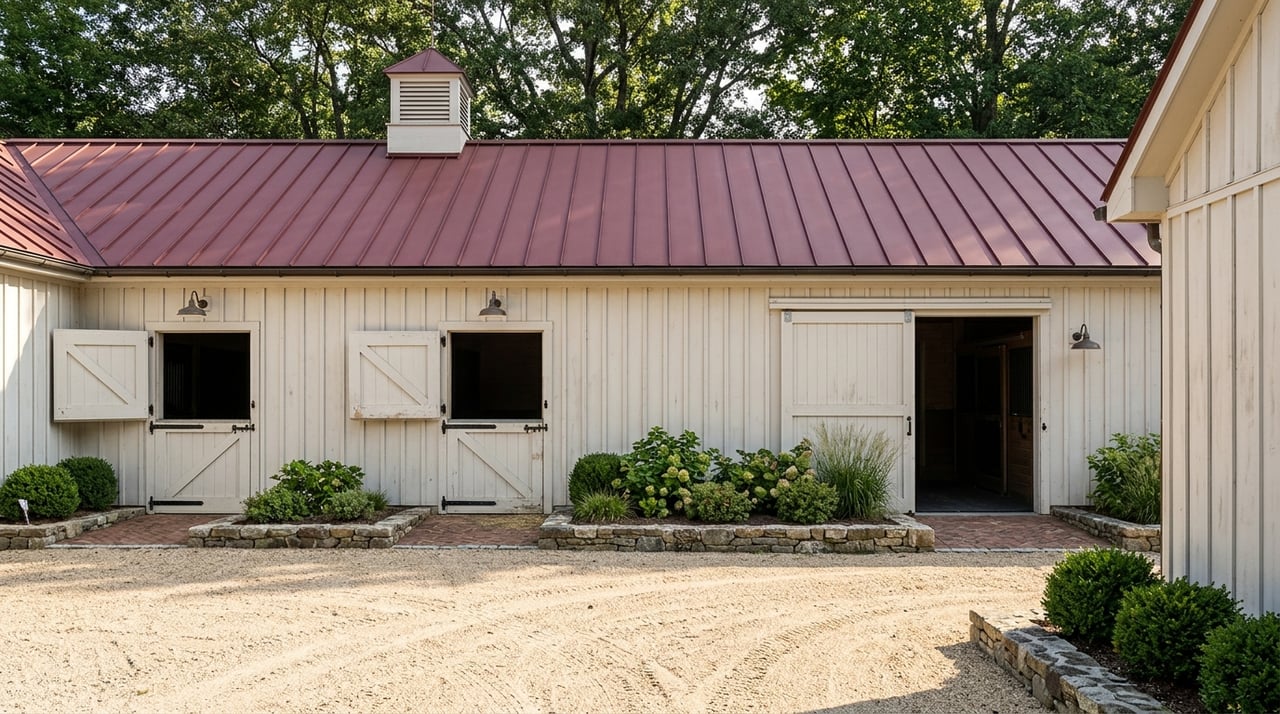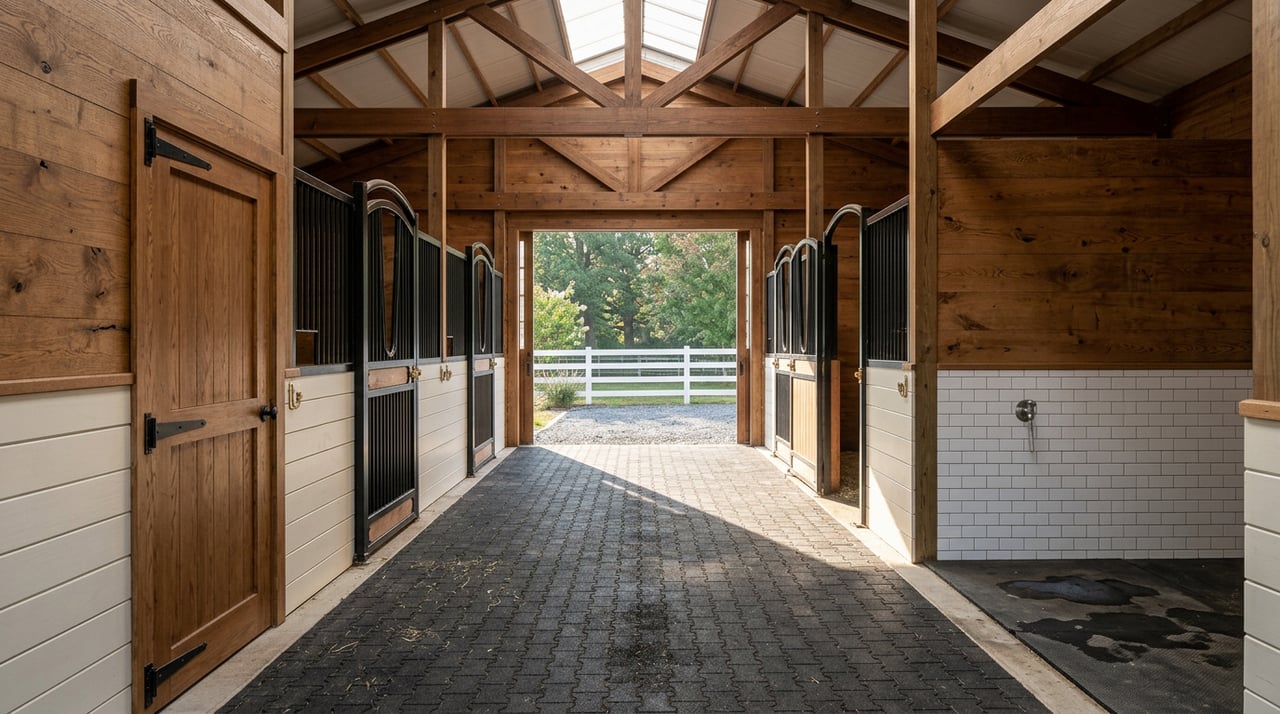
You picture riding out from your back door into rolling fields, with showgrounds and trainers minutes away. If you are drawn to Middleburg and western Loudoun, you are looking in one of America’s most active equestrian communities. To buy with confidence, you need to understand zoning, land-use taxes, barns and arenas, pasture care, and how trail access really works. This guide walks you through the key checks, the right advisors, and the steps that protect your purchase. Let’s dive in.
Why Middleburg horse country stands out
Middleburg, Upperville, and the surrounding countryside anchor Virginia’s historic hunt and sport-horse region. You are close to major venues and hubs for events and training, including Great Meadow, Morven Park, and the Upperville Colt & Horse Show. You can explore the area’s equestrian assets through the regional overview at Virginia Horse Country.
Many properties in the Middleburg area sit in Agricultural and Forestal Districts or are protected by conservation easements. These tools preserve rural character and often limit subdivision or certain uses. Before you write an offer, confirm whether the parcel is in a district using the county’s Agricultural Districts map metadata and ask for any recorded easement documents.
The practical bottom line is simple. You will see strong demand for turnkey barns, arenas, and paddocks, paired with thoughtful conservation rules that shape what you can do on the land. The best purchases align your riding goals with the site’s recorded rights and constraints.
Zoning and permits to check early
Loudoun adopted a new Zoning Ordinance on December 13, 2023. Start with the county’s ordinance portal to confirm the property’s zoning district and allowed uses. You can review it at the Loudoun County Zoning Ordinance page.
If you plan to host shows, clinics, or public events, read the county’s step-by-step guide for equestrian venues. It explains where these uses are allowed by right, when special exceptions are needed, typical acreage expectations for event venues, and how overlays like floodplain, mountainside, or limestone areas affect your site plan and building footprints. Begin with Steps for Starting an Equestrian Event Facility. For private stables and boarding, the county provides similar guidance and directs buyers to verify well and septic capacity with the Health Department before purchase.
Policy language for equine uses has evolved since the 2023 adoption. Stakeholders have been tracking proposed changes that may affect building size caps, setbacks, and operating conditions for certain event and boarding models. For updates and context, see the Loudoun County Equine Alliance zoning update. Given the pace of change, request a written zoning determination for your specific parcel.
Land-use taxation, Ag Districts, and easements
Virginia’s use-value assessment program can reduce real estate taxes by assessing qualifying land based on agricultural or open-space use instead of market value. Enrollment standards and reporting vary locally, and rollback taxes can apply if you change the use or subdivide. Learn how the process works through the State Land Evaluation & Advisory Council overview of use-value assessment. Ask whether your target parcel is enrolled, what category it qualifies for, and what happens if you expand your barn or reconfigure acreage.
Agricultural and Forestal Districts are separate from conservation easements but often overlap in this region. District enrollment may limit subdivision while easing eligibility for land-use taxation. Always request the district enrollment documentation and any recorded conservation easement before you finalize terms. Confirm that your planned equine activities fit within those rights.
Property and site checklist for equestrian buyers
Use this section as your on-the-ground checklist. Ask sellers for records, walk the site with qualified advisors, and budget for upgrades where needed.
Site, soils, drainage, and topography
- Look for steep slopes, mapped floodplain, or areas within mountainside or limestone overlays. These can add approvals and shape where you build.
- If you plan an arena or barn expansion, ask whether significant cut and fill or retaining walls will be required. Obtain a topographic survey and soils report.
- Arena longevity depends on proper subbase and drainage, not just the top footing. Dust, moisture, ventilation, and base performance are the most common challenges for indoor facilities, according to a survey of arena owners in Translational Animal Science. Review the research summary on common arena issues, then request any prior build specs, base depth, geotextile use, and drainage outlet locations.
Barn and stable features to confirm
- Stall sizes of 10×10 to 12×12 feet are common for many riding disciplines. Check aisle width, cross-tie locations, ventilation, and fire egress.
- Ask how hay is stored. Long-term hay storage is best kept in a separate structure away from the primary barn for fire safety.
- Verify tack and wash room layouts, hot water, frost-free hydrants, and a planned manure storage or compost area with runoff controls.
- Confirm well yield and septic permits. If caretaker quarters exist, make sure they are permitted as an accessory dwelling under current zoning.
Arena dimensions, footing, and maintenance
- Match arena size to your discipline. Standard dressage uses 20×60 meters, while jumping and schooling often require a larger footprint.
- Document footing composition, age, and care. Ask about sand type and any fiber or rubber additives, plus how often the arena is dragged and watered.
- Budget for major footing refreshes every several years, especially with commercial use. A compromised base will force a more costly rebuild.
Pasture, stocking, and manure stewardship
- A common planning rule of thumb is roughly one horse per five acres, adjusted for forage quality and management. This is not a legal minimum but a useful benchmark for health and land-use planning. See an accessible overview on how much land per horse.
- Ask for pasture maintenance records, rotational grazing plans, and hay storage details.
- Manure adds up fast. Well-run operations use covered storage, composting, and documented hauling or field application to control odor, flies, and runoff. Extension projects supported by USDA highlight these best practices; review a summary of equine BMP research via NIFA’s equine operations project page. Request the seller’s manure plan and any contractor manifests.
Access, parking, and traffic
- Event and boarding properties attract a mix of horse trailers, deliveries, and visitor vehicles. Some rural roads are not built for high event traffic without upgrades.
- Check frontage and driveway design, and confirm any Virginia Department of Transportation access requirements noted in county guidance.
- For event facilities, anticipate formal parking plans and traffic management as part of permits.
Trails, hunt access, and liability
The Middleburg and Upperville corridor includes active hunt country, private routes, and world-class venues. But much of the most scenic riding is private or controlled through hunt clubs and individual landowner agreements. Do not assume cross-parcel trail rights. Ask the seller and neighbors about any recorded riding easements, private trail associations, or hunt agreements. Many public parks do not allow horses, and rules can change. You can explore public-facing venues and events through Virginia Horse Country.
If you plan to host lessons, clinics, or public rides, understand Virginia’s Equine Activity Liability Act and its exceptions. You will still want signed waivers and the right insurance coverage for your specific activities. Read the statute summary for Virginia’s Equine Activity Liability Act, then speak with an experienced broker and local counsel.
Build your advisory team
Assemble a small, focused team before you go under contract. Their early input can save you time and money.
- Local real estate agent experienced with equestrian and land transactions. Ask about recorded easements, district enrollment, and typical property types in the micro-market you are targeting.
- County planner or land-use attorney. Verify the zoning district, any prior approvals or conditions tied to the barn and arena, and whether your intended uses are by right or need a special exception.
- Surveyor and civil engineer. Request a current boundary and topographic survey, check for floodplain or karst features, and get soils and percolation testing for septic planning.
- Licensed well and septic professionals. Obtain well logs, pump tests, septic permits, and maintenance records. Confirm capacity for caretaker housing or events.
- Equine veterinarian and farrier. Confirm capacity for the number and type of horses you plan to keep and understand common local health concerns.
- Barn, arena, and fence contractor with equine experience. Ask for opinions on the arena base, drainage, and cost to refresh footing or rebuild older components.
- Soil and Water Conservation District or a qualified agronomist. Review manure storage BMPs, pasture rotation, and any conservation plan triggers.
- Insurance broker with equine expertise. Match coverage to your activities, from private boarding to lessons and events, and align your waivers to the statute.
Due diligence quick checklist
Use this list to focus your questions and document requests.
- Confirm the zoning district and ask for a zoning determination letter.
- Check whether the property sits in an Agricultural and Forestal District and request the enrollment documentation.
- Ask for any recorded conservation easements, plus the full instrument and exhibits that set permitted and prohibited uses.
- Request all permits and plans for the barn, arena, grading, and any caretaker housing. Ask for as-built drawings and inspection histories.
- Verify well yield and septic design capacity with the Health Department. Confirm hookups and any needed upgrades.
- Document the arena base and footing. Request contractor invoices, maintenance logs, and any footing tests.
- Ask for a written manure management plan, composting records, and hauling or land application manifests.
- Verify road access, trailer turnarounds, and parking areas. For events, ask about past traffic studies or conditions.
- Ask about riding easements, private trail associations, or hunt agreements. Read the actual documents, not just verbal statements.
- Review current insurance and any prior claims, especially for commercial equine activities.
Ready to talk through a specific property or design a search that fits your riding goals and the land’s realities? Connect with Beckwith Bolle for local, confidential guidance from a Middleburg-based broker who understands equestrian properties and complex rural transactions.
FAQs
What makes Middleburg and western Loudoun a strong horse market?
- You are in Virginia’s historic hunt and sport-horse corridor with access to major venues, trainers, and a deep local service ecosystem that supports equestrian living.
How do Loudoun’s zoning rules affect barns and arenas?
- Loudoun’s 2023 ordinance sets where stables and event facilities are allowed, when special exceptions apply, and how overlays like floodplain or limestone shape site plans.
What is Virginia’s land-use assessment and why should I care?
- If land qualifies for agricultural or open-space use, taxes may be based on use value instead of market value, with potential rollback taxes if you change use or subdivide.
Are local riding trails public or private in Middleburg?
- Much riding access is private or arranged through hunt clubs or landowners, so you should not assume trail rights without recorded easements or written agreements.
How much land per horse should I plan for?
- A common planning guide is roughly one horse per five acres, adjusted for pasture quality, rotation, and how much supplemental hay you provide.
What should I verify about the arena before I buy?
- Request documentation on the base and drainage, footing composition and age, and maintenance records, then budget for footing refreshes as needed.
Do I need special insurance for lessons or clinics on my farm?
- Yes. The Equine Activity Liability Act offers some protections, but you still need tailored insurance and waivers that match your activities and facility.