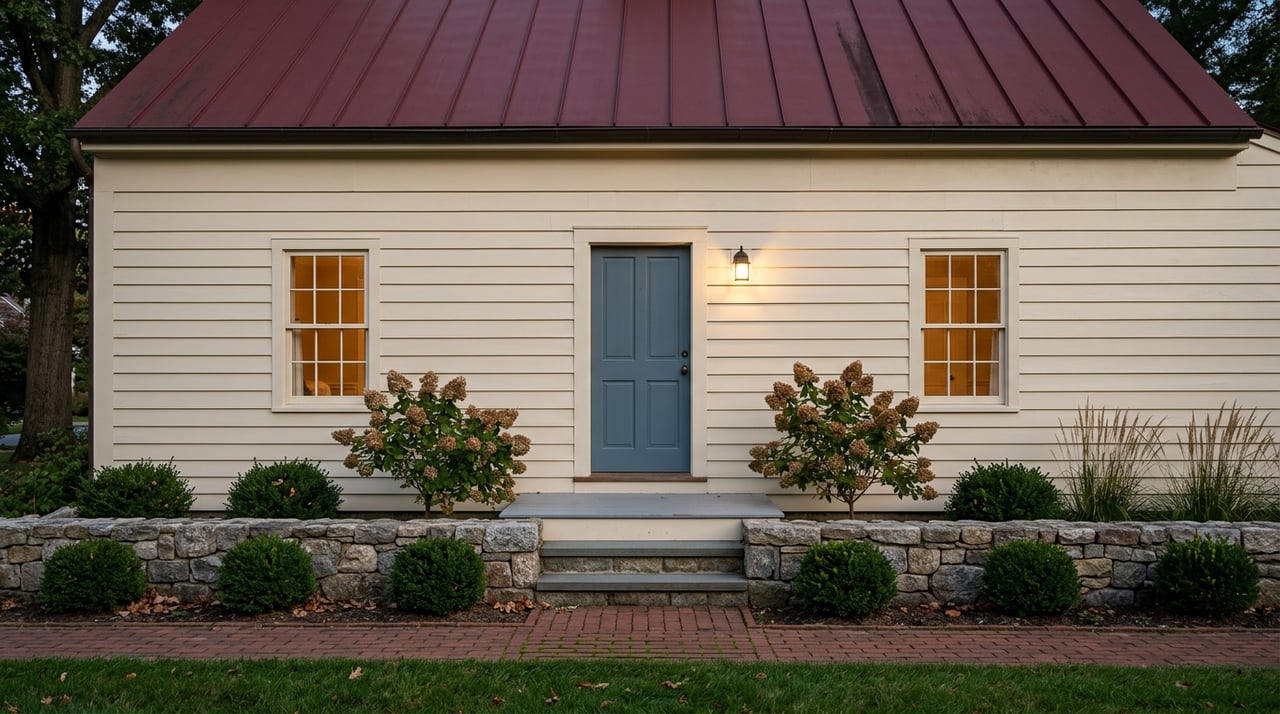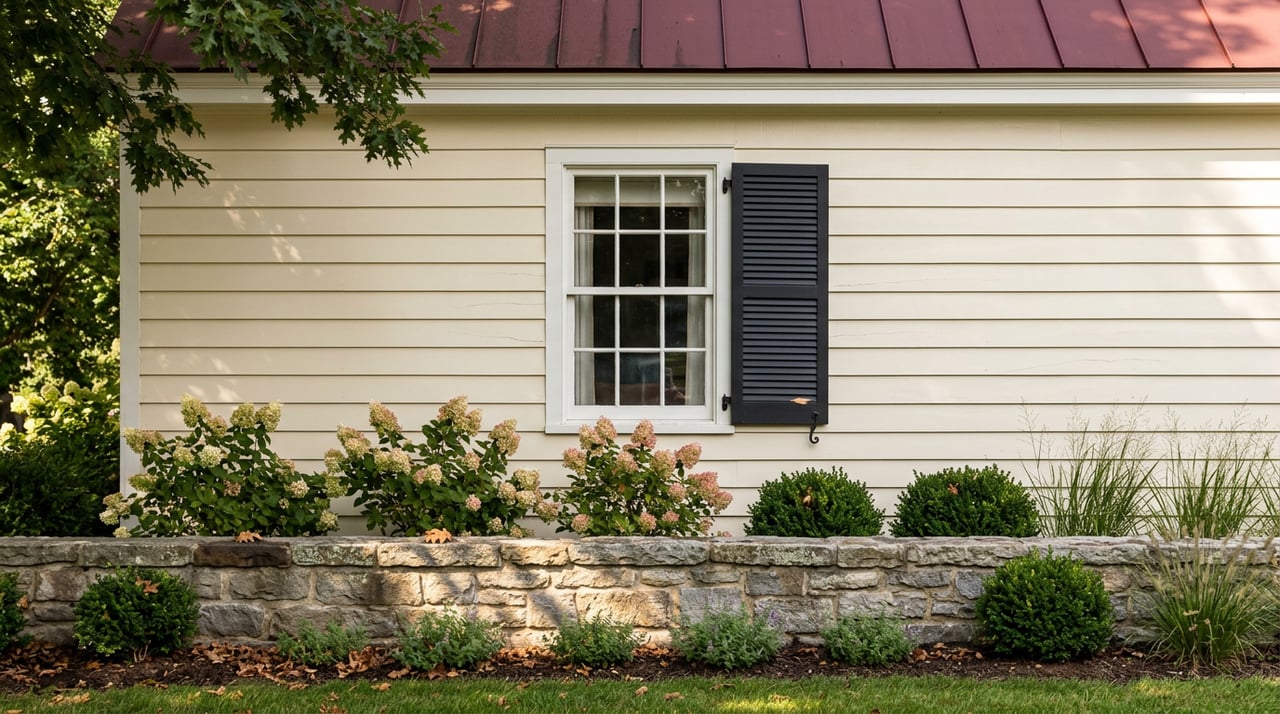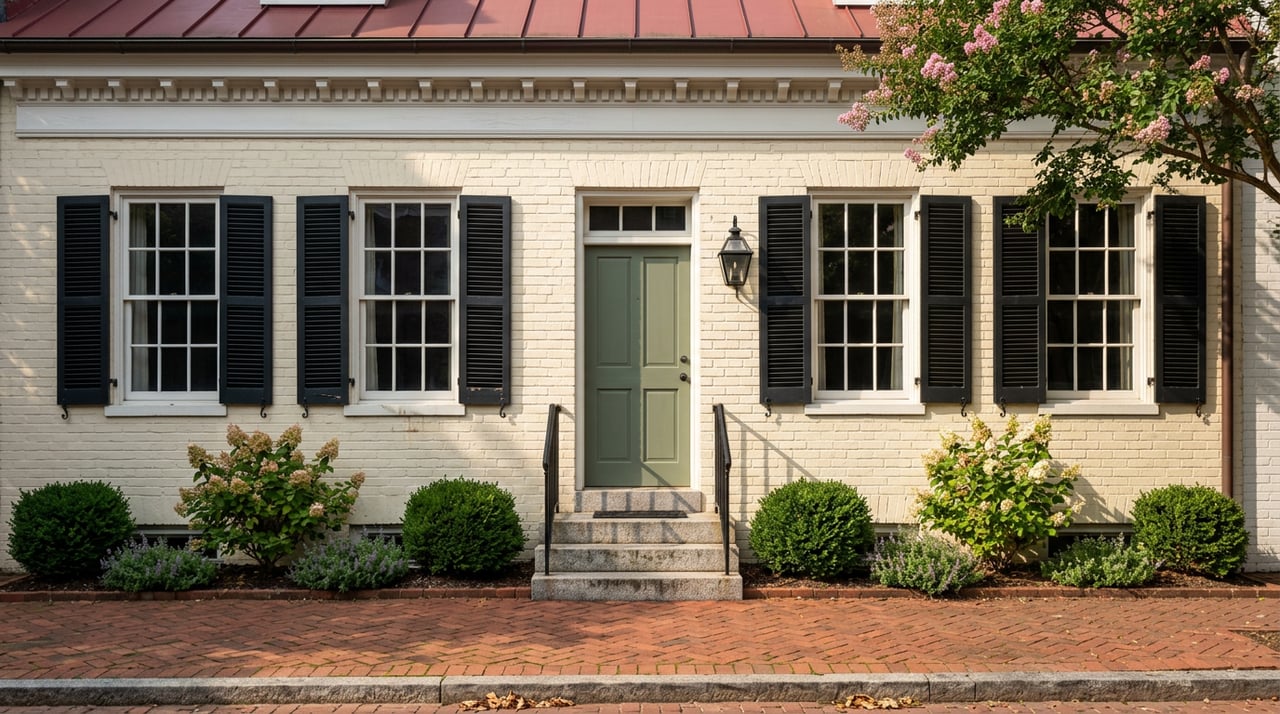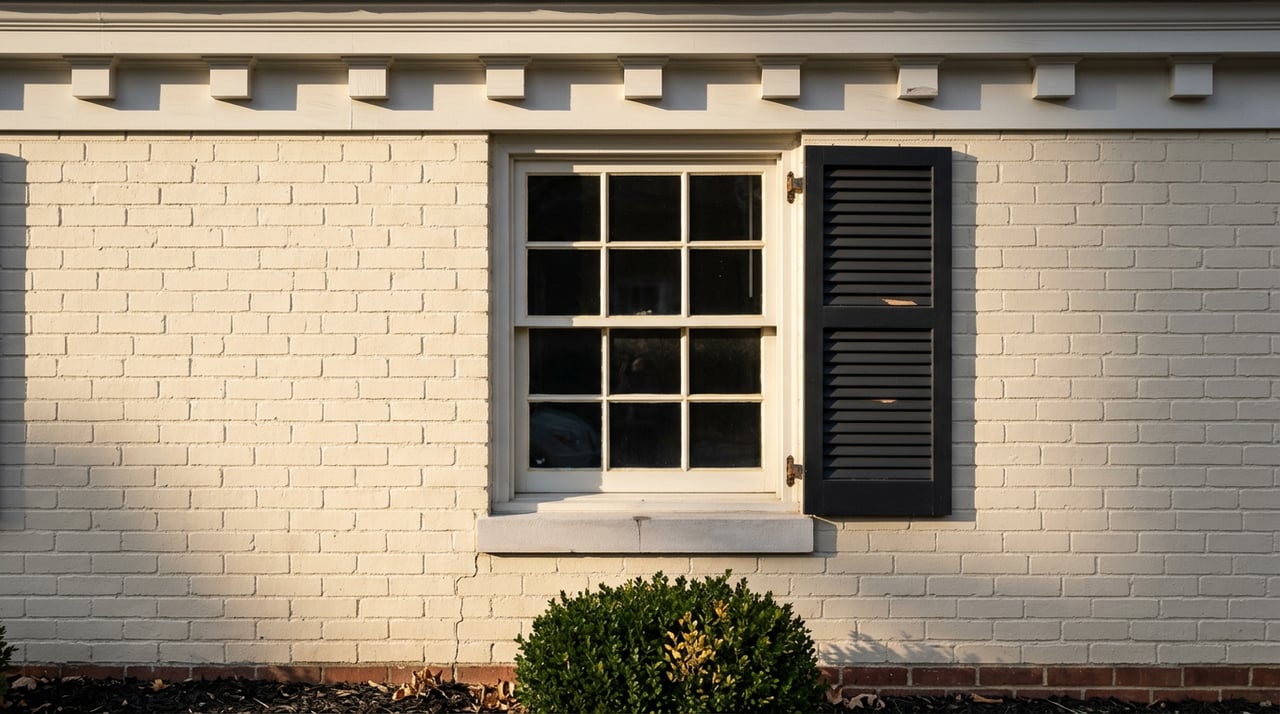
A homeowner on one of Leesburg's brick-lined streets near the Old and Historic District decides in early September that she wants to list by Thanksgiving. Her agent's list is short: repaint the front door, replace two failing windows on the side elevation, touch up the porch trim. Nothing structural. Nothing that would strike anyone as complicated. She assumes it's a two-week job for a good painter and a window contractor.
It isn't. Not because the work is hard, but because her house sits inside Leesburg's H-1 Old and Historic District, where window replacement requires a Certificate of Appropriateness from the town's Board of Architectural Review, and the BAR only holds one regular business meeting a month. If her paperwork misses this month's cutoff, her windows wait for next month. If a public hearing needs to be scheduled and posted, the clock runs longer still. The guidelines governing what she's allowed to do turn out to matter less than the calendar governing when someone gets around to deciding.
That's the part of selling a historic Leesburg home that rarely makes it into a prep checklist, and it's the piece worth understanding before you set a listing date.
The Guidelines Aren't the Bottleneck. The Meeting Schedule Is.
Leesburg's Old and Historic District, known formally as the H-1 Overlay District, requires a Certificate of Appropriateness for any exterior alteration before work begins. Some of that review happens quickly. Fencing, business signs, and exterior paint color changes can be approved administratively by Preservation staff, submitted anytime, with no public hearing required. But window replacement, new construction, additions, demolition, and relocation of a structure all have to go before the full Board of Architectural Review, and that board meets on the third Wednesday of each month at 7 p.m. in the Town Hall Council Chamber at 25 West Market Street.
One meeting a month is fine if your timeline has slack in it. It's a problem if you're counting backward from a listing date. Miss the submission window for September's meeting and your project doesn't wait two weeks. It waits until October.
Here's roughly how the two tracks compare:
| Project type | Review path | Public hearing required |
|---|---|---|
| Paint color, fencing, signs | Administrative (staff-level) | No |
| Window or door replacement | Board of Architectural Review | Yes |
| New construction or additions | Board of Architectural Review | Yes |
| Demolition or relocation | Board of Architectural Review | Yes |
For anything that needs the full board, the town posts a sign on the property 15 days ahead of the meeting and mails notice to adjacent property owners 10 days out. That means your application has to be complete and accepted well before the meeting itself, not the week before. Work backward from a November closing and a homeowner planning window replacement should have been in front of Preservation staff by late summer, not early fall.
A Rewrite Is Coming. It Won't Help Anyone Selling This Year.
Leesburg has been rewriting its Zoning Ordinance since 2023, the first comprehensive update since 2003, and the draft has moved through Planning Commission review with a public hearing held in mid-April 2026. Town Council is expected to take up its review this summer, with adoption anticipated by the end of the calendar year.
Some of what's being discussed would directly ease the friction described above. During the drafting process, the Board of Architectural Review weighed exempting small items like doorbells, security cameras, and certain bollards from Certificate of Appropriateness review entirely, and debated whether an approved paint-color palette could let owners skip the COA process for repainting altogether. The board also discussed expanding demolition-by-neglect language to cover things like failing gutters and unsecured openings, paired with new incentives for salvaging historic materials during any approved demolition.
None of that helps a seller trying to close before the end of 2026. If adoption lands in December as the town currently projects, anyone listing this fall or winter is working under the rules on the books today, not the streamlined version still moving through Council review. That's worth knowing before you assume a friendlier process is right around the corner.
What "Contributing" Status Means for Your Buyer
Not every property inside the district carries the same restrictions. Structures the town classifies as "non-contributing" to the historic district can often use newer materials and alternative designs, with more flexibility during Certificate of Appropriateness review, typically falling under the new-construction chapter of the design guidelines rather than the stricter preservation standards. A contributing structure, by contrast, hands its next owner the same review obligations you've been navigating.
This is a fact worth putting in front of a buyer's agent early, not discovering during due diligence. A buyer touring a contributing structure is inheriting exterior constraints. A buyer touring a non-contributing one inside the same district is not, even though both addresses sit on the same historic street. Knowing which one you're selling changes how you frame the listing and manages expectations before an offer, not after.
Two Other Snags Worth Planning Around
Appraisals lean on comparable sales, and historic homes often don't have many. A distinctive 1870s townhouse with unusual updates doesn't compare cleanly to a 1995 colonial two blocks away, even in the same ZIP code. Sellers who assume the appraisal will mirror the listing price sometimes find the opposite: the appraiser has fewer true comps to draw from, and the gap between a confident asking price and a defensible appraised value can widen in ways a seller in a more uniform subdivision would never encounter.
Lead paint disclosure isn't optional for most pre-1978 homes. Federal law requires sellers of homes built before 1978 to disclose any known lead-based paint and related hazards, and to provide the buyer with the EPA and HUD lead pamphlet before the sale becomes enforceable. In a district where most structures predate that cutoff by decades, this isn't a footnote. It's a standard part of the paperwork, and skipping it can unwind a contract later.
One thing working in sellers' favor: Leesburg's Preservation staff are currently updating the architectural survey of the Old and Historic District, a project intended to give property owners a clearer, better-documented picture of their building's history. A seller who can point to that documentation, rather than relying on secondhand stories about who built the house, has a stronger and more defensible narrative to hand a buyer's agent or an appraiser.
A Realistic Runway If You're Listing This Fall or Winter
If exterior work is part of your pre-listing plan and your home sits inside the H-1 District, work the calendar backward rather than forward:
- Call Preservation staff before you schedule any contractor. Confirm whether your project needs administrative sign-off or a full Board of Architectural Review hearing. Staff hold walk-in and scheduled office hours downtown at 15 North King Street on Wednesdays.
- If it needs the full board, identify which Wednesday meeting you're targeting and count back at least three to four weeks for a complete application, given the 15-day sign posting and 10-day neighbor notice requirements.
- Build a buffer month into your listing date. A single missed submission deadline is a 30-day delay, not a minor one.
- Ask about your property's contributing status early, and have that conversation with your agent before photos are taken, not after an offer comes in.
- Pull together whatever documentation exists on the home's age and history. If the town's updated architectural survey covers your block, it may already answer questions a buyer will ask.
A Few Questions Sellers in the District Often Ask
Does the Old and Historic District review interior renovations? No. The H-1 District review is focused on exterior appearance and site work. Interior renovations generally fall outside Board of Architectural Review jurisdiction, though other town or county building permits may still apply.
Can I list my home before finishing exterior work that still needs approval? Yes, but be transparent about what's pending. A buyer's agent will ask, and an unresolved Certificate of Appropriateness application is the kind of detail that surfaces during due diligence whether it's disclosed upfront or not.
Does routine maintenance, like repainting in the same color, need a Certificate of Appropriateness? In-kind repairs and maintenance using the same material, design, dimension, and color generally don't require a COA. Changing color, material, or design does. When in doubt, a quick call to Preservation staff before work starts avoids the more common mistake of assuming a project qualifies as maintenance when it doesn't.
Selling a home inside Leesburg's Old and Historic District rewards sellers who plan around the town's calendar as carefully as they plan around their moving truck. The guidelines are published and predictable. The meeting schedule is what actually decides how much runway you have.
If you're weighing a listing date for a historic Leesburg property and want a clear-eyed read on your specific timeline, Carter Braxton Preferred Properties offers a confidential home valuation and consultation built around exactly this kind of local detail.