Dreaming about a place where weekends feel truly different? Bluemont offers that rare mix of mountain access, rural scenery, and historic village character that can make a second home feel like a real retreat, not just a change of address. If you are considering a getaway property in western Loudoun County, it helps to understand both the appeal and the practical details before you buy. Let’s dive in.
Why Bluemont Stands Out
Bluemont sits on the eastern side of the Blue Ridge at about 1,000 feet, just below Snickers Gap. Loudoun County includes it on its Rural Historic Villages list, and that designation helps explain why the area feels different from more typical suburban communities.
Instead of a uniform neighborhood pattern, Bluemont is better understood as a long-established mountain village shaped by farmland, historic travel routes, and the surrounding countryside. For many buyers, that setting is exactly the point. You are not just buying a house. You are buying into a distinct sense of place.
What Second-Home Buyers Will Find
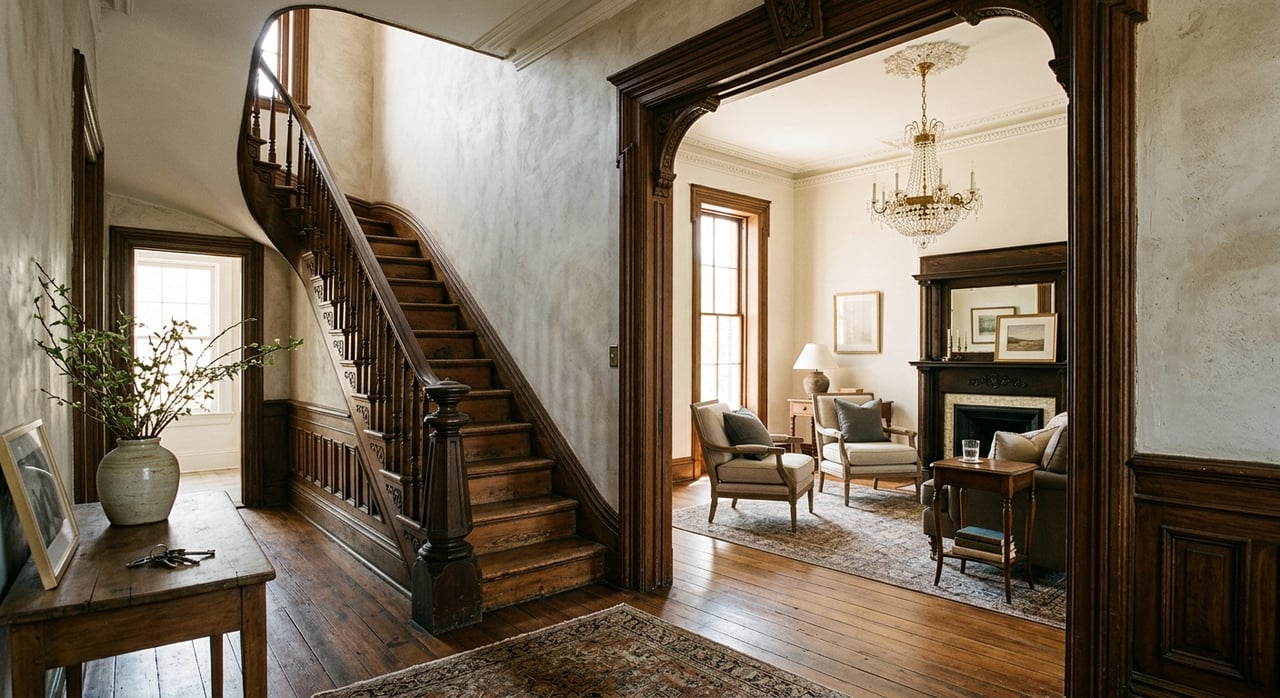
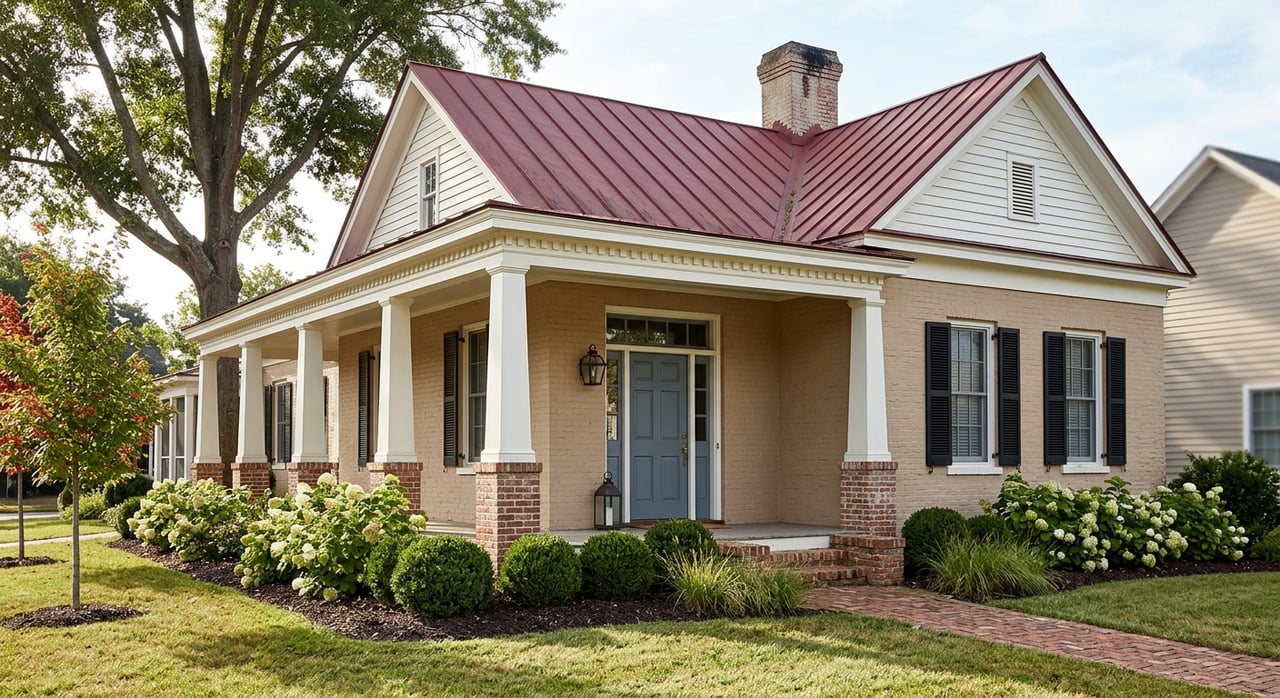
Bluemont’s housing stock tends to feel varied and rooted in the landscape. Loudoun County’s historic district materials describe a village with many structures dating to the turn of the 20th century, along with earlier stone and log vernacular buildings still visible along the main road.
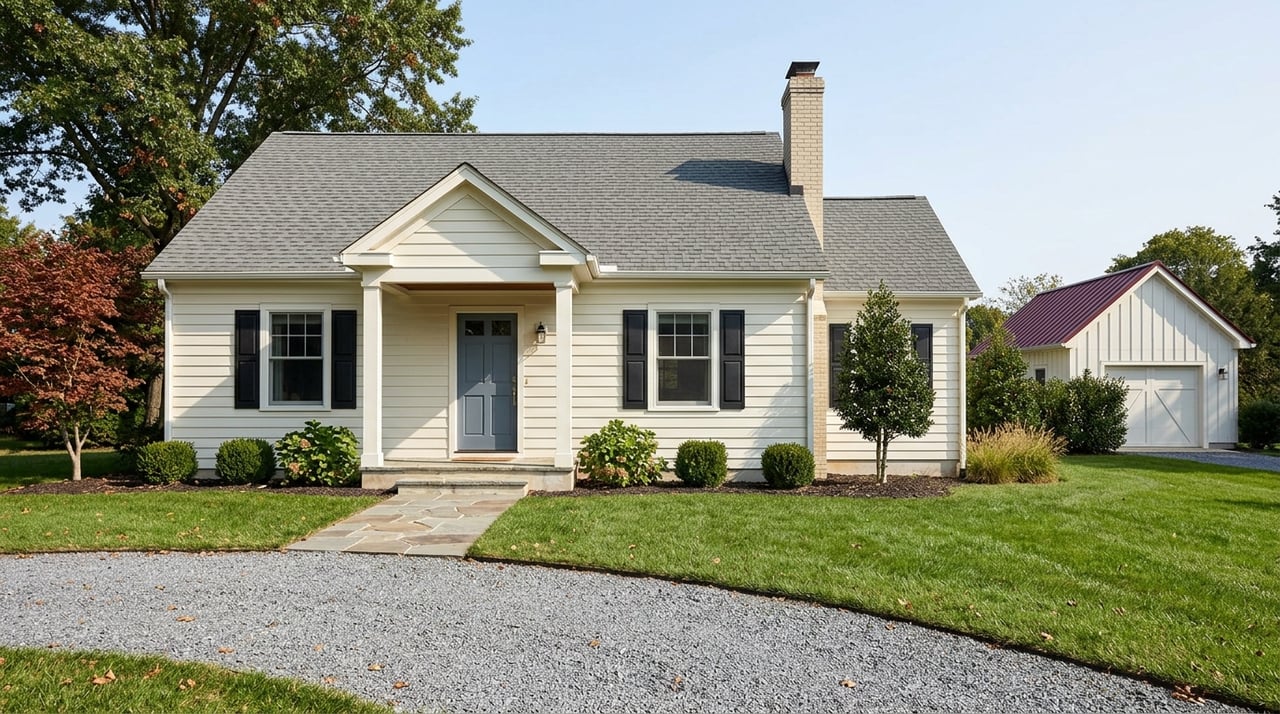
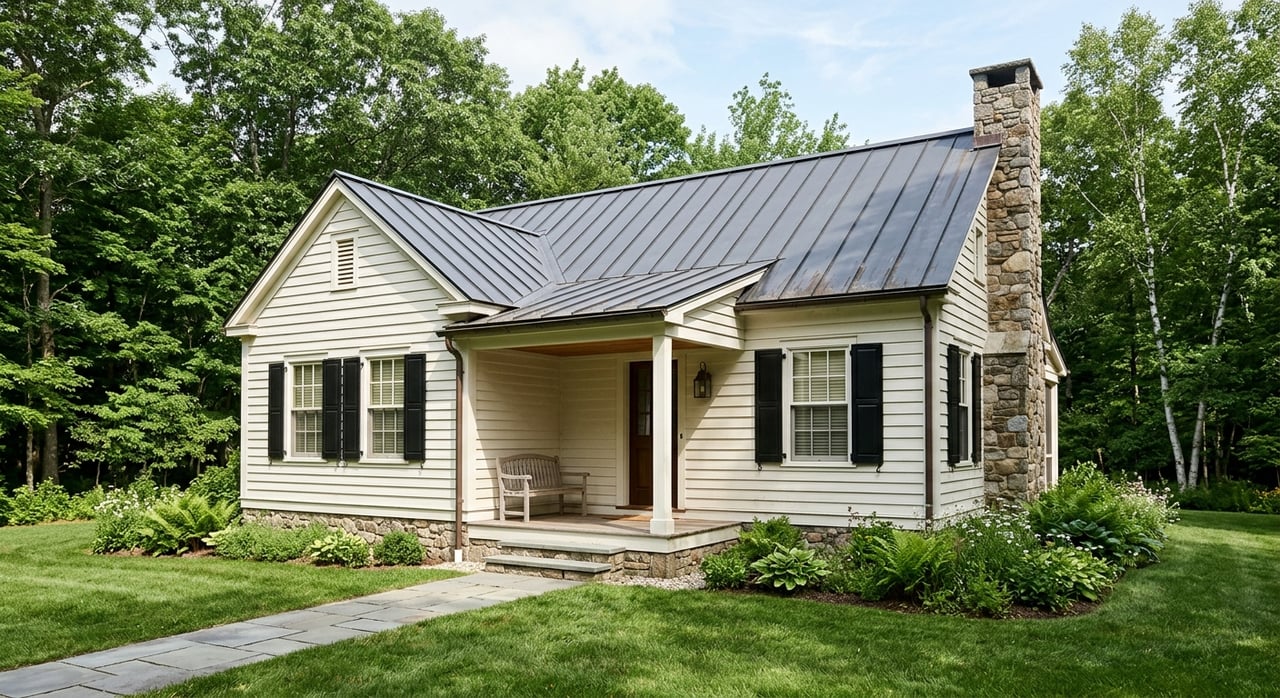
That means your options may include historic village homes, older cottages, and rural parcels rather than newer, lookalike homes in a planned subdivision. For buyers who want charm, texture, and a less standardized property search, that can be a major draw.
Historic character comes with review
If a property is inside the Bluemont Historic District, exterior changes may require review through Loudoun County’s Historic District Review Committee and a Certificate of Appropriateness. The county notes that new structures, additions, fences, signs, and many exterior changes can fall under that process.
For you as a buyer, that means the village’s preserved look is not accidental. It is supported by oversight. If you are considering updates after closing, this is one of the first things to confirm during due diligence.
Why Bluemont Works for Weekend Living
One of Bluemont’s strongest advantages is outdoor access. Virginia tourism places the village within a mile of the Appalachian Trail and near destinations like Bears Den and Raven Rocks, which gives the area a real mountain-recreation identity.
This is not just a scenic backdrop for photos. It is a setting that supports hiking, ridge views, seasonal escapes, and a more outdoors-oriented routine. If your ideal second home includes boots by the door and fresh air within minutes, Bluemont fits that picture well.
Trail access shapes the lifestyle
The nearby Appalachian Trail corridor is a meaningful part of Bluemont’s appeal. The 13.5-mile stretch between Ashby Gap and Snickers Gap includes the rocky and hilly section known as the Roller Coaster, which signals that this is a more rugged hiking environment rather than a purely casual walking destination.
That matters because it helps set expectations. Bluemont is especially appealing if you want a retreat base for hiking, fall color, and mountain terrain. It feels more connected to the landscape than many weekend markets that lean mostly on convenience.
Close enough for real weekends
Bears Den is described as being about an hour from Washington, D.C., which helps explain Bluemont’s long-standing appeal as an escape for metro-area buyers. Virginia tourism also notes that Bluemont was once a resort area and is still known for its country fair each fall.
That combination gives the village a seasonal rhythm that many second-home buyers want. You can step away from city pace without feeling like the trip itself has become the whole weekend.
Wineries, Farms, and the Retreat Feel
Bluemont is not only about trails and mountain overlooks. It also sits within a broader wine-and-farm corridor that adds to its lifestyle appeal.
Bluemont Vineyard describes itself as a farm winery on the first ridge of the Blue Ridge at 951 feet. Virginia Wine notes that it sits across from Great Country Farms, and Virginia tourism describes Twin Oaks Tavern Winery as a 1920s retreat for Washington-area visitors with mountain views.
For buyers, that mix broadens how a second home can be used and enjoyed. Your weekends can include hiking and quiet mornings, but also local vineyard visits, farm stops, and seasonal outings that feel rooted in western Loudoun’s countryside culture.
What Ownership Looks Like in Practice
The romantic side of a mountain retreat is easy to picture. The ownership side deserves just as much attention.
In rural Loudoun, many properties are not connected to public sewer or wastewater service. Loudoun County says owners of these properties need to understand private wells and onsite wastewater treatment systems, and permits are required before drilling or modifying a well or installing or modifying septic.
Well and septic matter more here
If you are coming from a suburban market, private infrastructure can be one of the biggest adjustments. A retreat property may offer privacy and land, but it can also involve more direct responsibility for system maintenance.
Loudoun County also notes that alternative onsite systems must be operated and inspected by licensed professionals, with maintenance agreements and regular inspections recommended. In practical terms, that makes well and septic evaluation a core part of your purchase process, not a small side issue.
Ask system questions early
Before you move forward on a property, it is smart to confirm:
- Whether the home uses public water and sewer or private well and septic
- Whether the septic system has been inspected and maintained regularly
- Whether any planned improvements could affect permits or system capacity
- Whether the property’s rural setup fits how often you plan to use it
These answers can shape not only your comfort level, but also your budget and long-term ownership experience.
Can You Rent Out a Bluemont Getaway?
Some buyers want a second home strictly for personal use. Others hope to offset carrying costs with occasional rental income. In Bluemont and greater Loudoun County, short-term rental use is possible, but it is regulated.
Loudoun County requires annual registration by July 1, a zoning permit, annual business-tax filings, and compliance with other rules that can include environmental health, town, and HOA requirements. The county also states that operators who take direct bookings must collect and remit the 8 percent transient occupancy tax, while certain booking platforms handle that collection and payment for platform-based reservations.
Rental income needs careful planning
Loudoun County also levies a short-term rental property tax of up to 1 percent of gross proceeds. In addition, the county says items such as furniture, televisions, hot tubs, and similar property used in a furnished getaway rental may need to be reported for business personal property assessment.
That does not mean rental use is off the table. It means you should treat it like a business decision, with zoning, taxes, and operating rules reviewed early rather than assumed.
Check restrictions beyond the county
County rules are only part of the picture. Loudoun also notes that HOA, condo, or town rules may be stricter than county requirements.
If rental flexibility is important to you, make that clear at the start of your property search. A home that looks perfect as a retreat may not fit your rental plan once all local and private restrictions are reviewed.
Smart Due Diligence for Bluemont Buyers
In a market like Bluemont, strong due diligence creates confidence. A beautiful property can absolutely be the right fit, but you want the details to match your goals.
Three early questions tend to matter most:
- Is the property inside the Bluemont Historic District?
- Does it rely on well and septic?
- If rental income is part of the plan, does it fit Loudoun County’s registration, zoning, and tax requirements?
These are not minor details in a mountain-village market. They shape renovation options, carrying costs, maintenance, and how you can use the property over time.
Why Local Guidance Matters
Bluemont is not a one-size-fits-all second-home market. Its appeal comes from historic character, trail access, winery country, and the surrounding rural landscape, but those same qualities can bring extra layers of review and ownership responsibility.
That is where local guidance becomes valuable. When you are evaluating a village home, cottage, or rural parcel in western Loudoun, you want clear answers on historic review, infrastructure, and permitted use before you commit.
If you are exploring Bluemont as a weekend retreat, mountain escape, or long-term second-home investment, Beckwith Bolle can help you navigate the details with the kind of local perspective that makes a real difference.
FAQs
What types of second homes are common in Bluemont?
- Buyers are likely to find a mix of historic village homes, older cottages, and rural parcels rather than a uniform subdivision-style housing stock.
What should buyers know about the Bluemont Historic District?
- If a property is inside the historic district, many exterior changes such as additions, fences, signs, and new structures may require review and a Certificate of Appropriateness through Loudoun County.
Is Bluemont a good location for mountain retreat living?
- Bluemont is well suited for mountain retreat living because it offers Blue Ridge access, proximity to the Appalachian Trail, and a rural village setting with a strong sense of place.
Do Bluemont second homes often have well and septic systems?
- Many rural Loudoun properties are not connected to public sewer or wastewater service, so buyers should carefully review private well and onsite wastewater systems during due diligence.
Can you use a Bluemont second home as a short-term rental?
- Short-term rental use may be possible, but Loudoun County requires registration, zoning approval, annual business-tax filings, and compliance with other applicable local or private rules.
What is the biggest ownership difference in Bluemont compared with suburban areas?
- One of the biggest differences is that rural ownership often involves more hands-on planning around private infrastructure, maintenance, permits, and possible historic-district review.