If you have ever dreamed of owning a piece of Loudoun County history, Hillsboro is the kind of place that makes that dream feel real. Buying a historic home here can be exciting, but it also comes with a different set of questions than buying a newer property. When you understand what makes these homes special, what local reviews may apply, and what to inspect closely, you can move forward with much more confidence. Let’s dive in.
Why Hillsboro homes stand out
Hillsboro is not just another small town with a few older houses mixed in. It developed as a linear village along Route 9, also known as Charles Town Pike, and its historic district was listed on the National Register of Historic Places in 1979 and expanded in 2009.
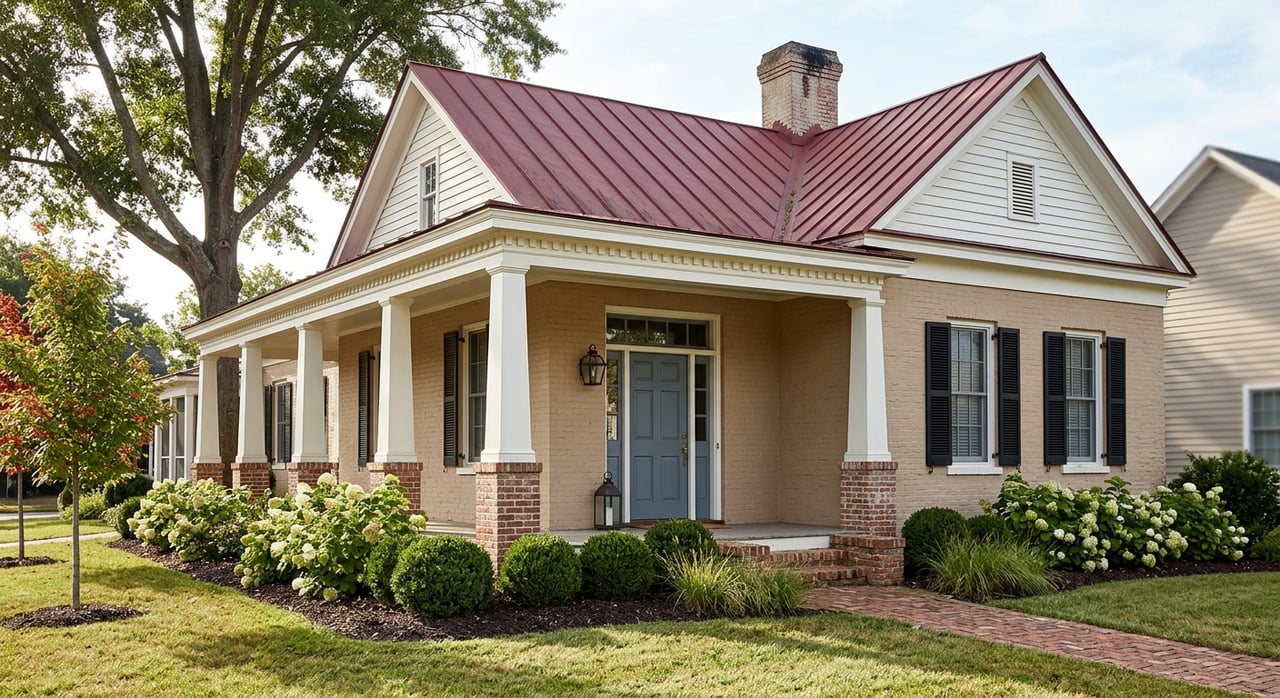
According to the Virginia Department of Historic Resources, Hillsboro is a well-preserved 19th-century rural mill town. Many of its historic homes are two-story, gable-roofed stone residences, and some later gained Victorian-era porches or bay windows that reflect changes over time.
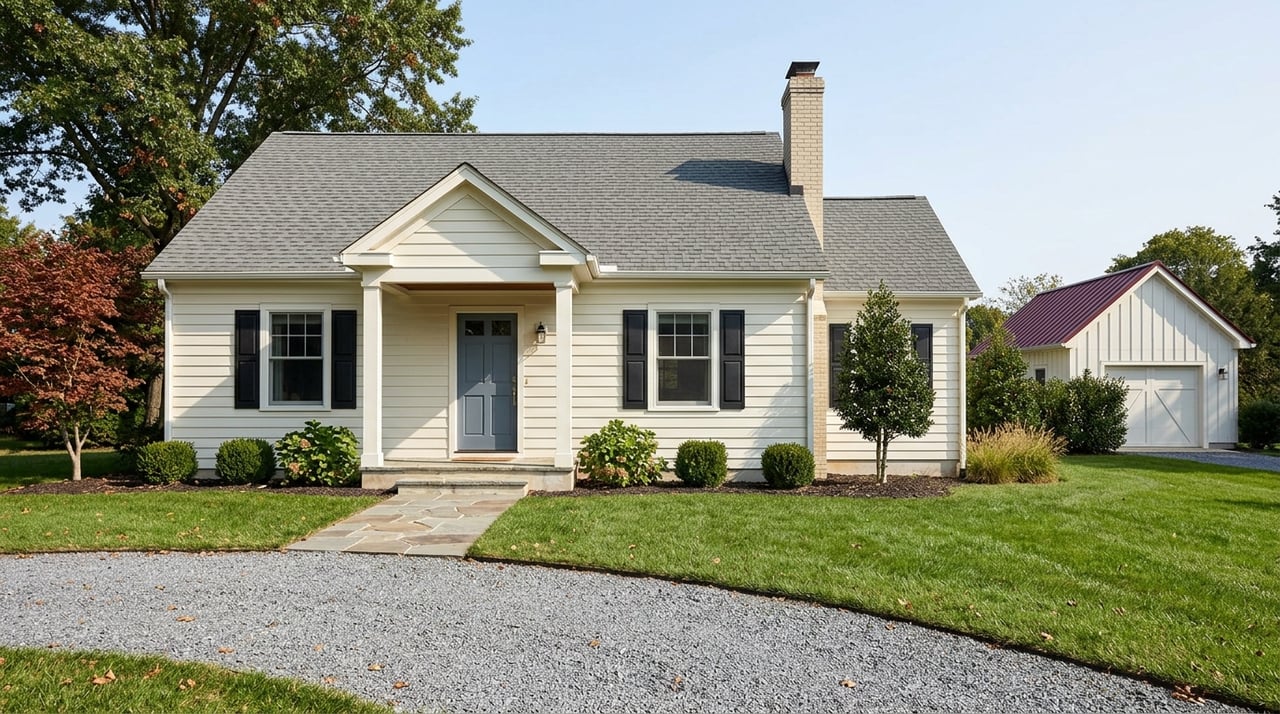
The town’s own history also points to deep, narrow lots and pre-1835 stone houses with gable roofs, along with later Victorian homes that include Eastlake detailing. For you as a buyer, that often means a home is not from one single moment in time. It may be an original stone structure with later additions, updates, and repairs layered in over many decades.
What historic status really means
One of the biggest misconceptions buyers have is that a National Register listing automatically controls what an owner can or cannot do. In Virginia, that is not how it works. The Virginia Department of Historic Resources says National Register status by itself is honorary and does not, on its own, prevent renovation or demolition or create local restrictions.
What matters more in practice is local review. DHR makes clear that local governments control local historic district rules, zoning ordinances, and related procedures.
In Hillsboro, the town says a Certificate of Appropriateness, or COA, is required before certain types of work. That includes demolition, reconstruction, or relocation of buildings on the Historically Significant Buildings List within the historic district, construction of a new primary residence within the historic district, and certain sign changes.
The town says COA applications are reviewed by the Planning Commission and then forwarded to Town Council. Loudoun County also recommends a pre-submittal meeting before filing, which can help you understand the path before investing time and money in plans.
Why local due diligence matters early
If you are thinking about renovations, this is not something to sort out after closing. Before you remove contingencies, it is smart to confirm whether the property is on the town’s Historically Significant Buildings List or otherwise subject to the COA process.
You should also ask whether the work you have in mind would need review. The town’s published process makes another important point: COA approval is not the same as a zoning permit, so you may need both.
That matters whether you are planning a major project or a more modest one. Historic-home ownership in Hillsboro tends to go more smoothly when you treat your purchase as both a real estate decision and a preservation decision.
Key inspection issues for older homes
A historic home inspection should go beyond the basics. In Hillsboro, older stone and masonry buildings make some issues especially important to evaluate closely.
The National Park Service notes that historic masonry often deteriorates at the mortar joints and that improper repointing can damage the masonry units themselves. Moisture is also a major threat to historic buildings, so visible dampness, cracking, failing mortar, and past repairs deserve careful review.
That means your inspector should pay close attention to:
- Mortar condition
- Signs of moisture intrusion
- Visible cracking in masonry
- Any evidence of prior incompatible repointing or repairs
- Window condition and function
- How later additions connect to the original structure
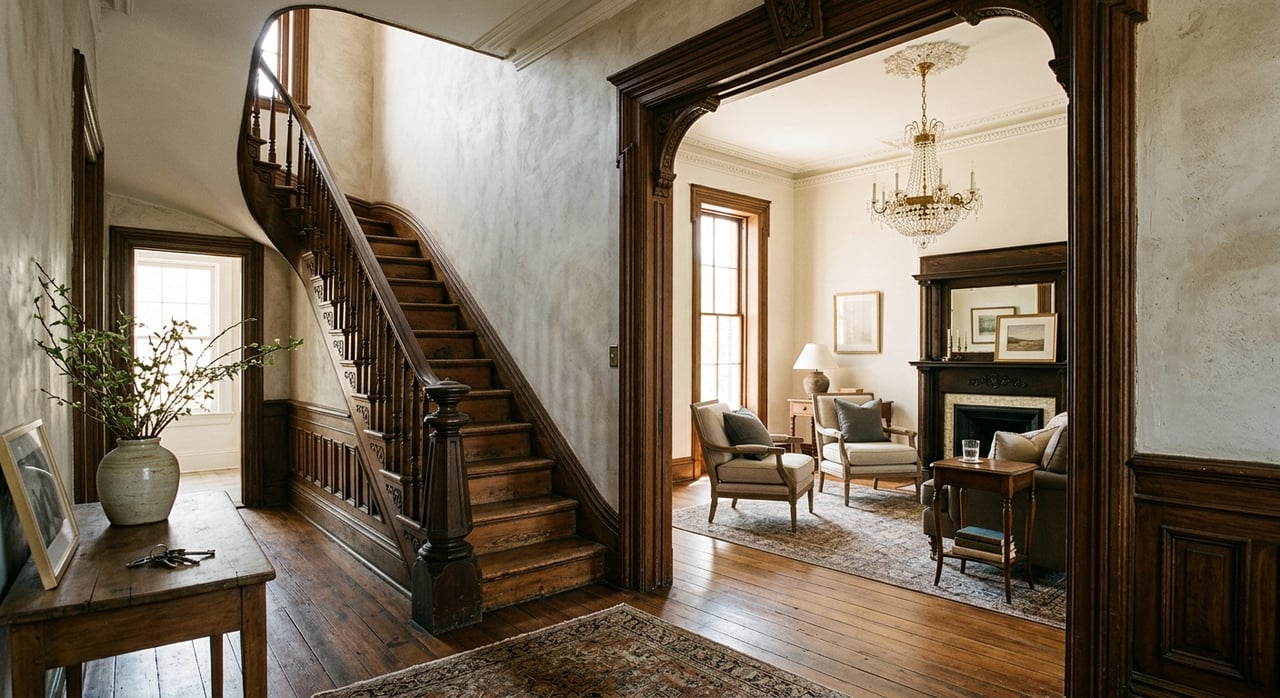
In many historic homes, the goal is not to replace every older feature with a modern one. It is to understand what can be repaired, what should be preserved, and what truly needs replacement.
Windows and additions need special care
Windows are one of the most noticeable features on a historic home, and they can affect both appearance and future project planning. National Park Service guidance says deteriorated historic windows should be repaired rather than replaced when feasible.
If replacement becomes necessary, the new work should match the old in design, color, texture, and, where possible, materials. That guidance can be especially relevant if you are buying a house with aging wood windows or a mix of original and newer units.
The same careful thinking applies to additions. NPS says new additions should be compatible with the building’s historic character and should not obscure or damage character-defining features. If you are hoping to expand living space later, this is a good topic to raise before you buy.
Lead paint is a practical issue
If the home was built before 1978, lead-based paint should be part of your due diligence. The EPA says lead-based paint is more likely to be present in pre-1978 housing, and buyers of most such homes have a right to know about any known lead-based paint information before signing a contract.
The EPA also says renovation and repair work can create lead dust. If you are considering updates after closing, lead testing and lead-safe certified contractors are worth discussing before work begins.
This does not mean every older home is a problem. It means you should go in informed and plan any repairs or improvements carefully.
Check utilities before you commit
Utilities are another major point to verify in Hillsboro. The town says its public water system was upgraded in 2021, and its first municipal wastewater treatment plant came online in 2024.
The town also states that homes and businesses within 300 feet of the town’s water or sewer systems are required to connect. For buyers, that makes utility status more than a routine checkbox.
Early in the process, confirm:
- Whether the home is connected to public water
- Whether the home is connected to public sewer
- Whether connection may be required based on location
- Whether any connection fees apply
- Whether there is prior septic history to investigate
These details can affect both your budget and your renovation plans, so they are worth clarifying as soon as possible.
Ask about easements and tax-credit obligations
Some historic properties carry restrictions that go beyond ordinary zoning or permit review. The Virginia Department of Historic Resources notes that if a property has a preservation easement or is tied to a tax-credit project, additional limits on alteration or demolition may apply.
That is why title review matters. Ask the seller or title company whether any preservation easement, recorded restriction, or prior tax-credit agreement exists.
If renovation is likely, there may also be financial upside to explore. DHR says Virginia’s historic rehabilitation tax credit is 25% of eligible rehabilitation expenses and can apply to owner-occupied homes as well as income-producing buildings. DHR also says the federal historic rehabilitation credit is 20% and is limited to income-producing property.
A smart buyer roadmap for Hillsboro
Historic homes can be deeply rewarding to own, but the smoothest purchases usually follow a clear process. In Hillsboro, a little extra front-end work can help you avoid costly surprises later.
Here is a practical roadmap:
- Confirm the home’s historic status and whether it is on the Historically Significant Buildings List.
- Ask the town whether your planned improvements would require a COA.
- Verify whether zoning permits or other approvals would also be needed.
- Order an inspection with strong attention to masonry, moisture, windows, and older repairs.
- Review utility connections, possible connection requirements, and any septic history.
- Ask about preservation easements, recorded restrictions, or prior tax-credit obligations.
- Evaluate whether historic rehabilitation tax credits may apply to your plans.
When you approach a Hillsboro purchase this way, you are much better positioned to buy with clarity rather than guesswork.
Why local guidance helps
Buying a historic home in a place like Hillsboro is rarely a one-size-fits-all transaction. The details can vary from one property to the next based on age, construction, utility status, prior renovations, and local review requirements.
That is why local knowledge matters. When you have guidance grounded in Loudoun County experience, it becomes easier to ask the right questions, build the right inspection team, and understand how a home’s history may shape your next steps.
If you are considering buying a historic home in Hillsboro or elsewhere in Loudoun County, Beckwith Bolle can help you navigate the process with local insight, thoughtful strategy, and discreet, hands-on guidance.
FAQs
What makes a historic home in Hillsboro different from a newer home?
- Hillsboro historic homes often include original stone or masonry construction, later Victorian-era additions, and older lot patterns that reflect the town’s 19th-century development rather than modern subdivision design.
Does National Register status restrict changes to a Hillsboro home?
- No. The Virginia Department of Historic Resources says National Register listing alone is honorary and does not itself restrict renovation or demolition, though local rules or other recorded restrictions may still apply.
When do you need a Certificate of Appropriateness in Hillsboro?
- The town says a COA is required for certain work in the historic district, including demolition, reconstruction, or relocation of buildings on the Historically Significant Buildings List, construction of a new primary residence, and certain sign changes.
What should you inspect first in a Hillsboro stone house?
- Pay close attention to mortar joints, moisture intrusion, visible cracking, past repointing work, window condition, and how any additions connect to the original structure.
Are there utility issues to check when buying a home in Hillsboro?
- Yes. The town says homes and businesses within 300 feet of the public water or sewer systems are required to connect, so you should verify current utility connections, possible fees, and any prior septic history.
Can buyers of Hillsboro historic homes qualify for tax credits?
- Possibly. The Virginia Department of Historic Resources says Virginia’s historic rehabilitation tax credit is 25% of eligible rehabilitation expenses and can apply to owner-occupied homes, while the federal 20% credit is limited to income-producing property.